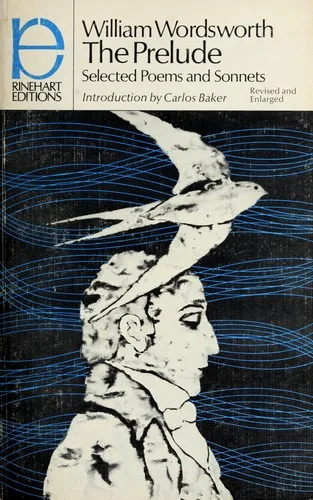
Published posthumously in 1850, this fourteen-book autobiographical poem chronicles the development of a poet’s internal faculties from childhood through early adulthood. Wordsworth tracks his transition from a physical, sensory connection with the landscapes of the Lake District to a mature philosophical understanding of human suffering and political change. The text provides a detailed account of his residency in revolutionary France and his subsequent intellectual crisis, framing the imagination as a restorative force that reconciles nature with the human spirit. He employs blank verse to map the growth of self-consciousness, identifying specific spots of time that serve as psychological anchors for his memory and creative identity.
This work serves students of Romanticism and readers interested in the mechanics of memory and cognitive development. It offers a framework for understanding how sensory experiences in early life shape late-stage moral character and aesthetic judgment. Those who study the intersection of history and psychology read it to observe how personal trauma and political disillusionment are integrated into a stable sense of self. The reader gains a methodical perspective on the process of introspection and the way environment influences the structure of the human mind.
- Published
- 1850
- Language
- EN
More by William Wordsworth
See all →
Readers also enjoyed