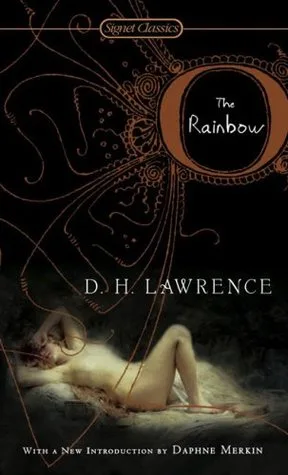
The novel follows the Brangwen family over three generations as they transition from traditional agrarian life at Marsh Farm to the industrialized reality of the twentieth century. Tom Brangwen struggles to reconcile his physical instincts with the intellectual world of his Polish wife, Lydia. Their daughter, Anna, battles for dominance within her marriage to Will, a craftsman caught between religious tradition and secular desire. Finally, Ursula Brangwen seeks autonomy in a rigid school system and rejects social expectations of domestic marriage to pursue internal self-realization.
Readers of classic European realism and psychological fiction turn to this work to understand the conflict between blood-intimacy and modern individuality. The text attracts those interested in the historical shift from rural cycles to urban mechanization. A reader walks away with a detailed observation of how sexual tension and ancestral heritage shape the ego. It provides a technical study of the subconscious forces that dictate human relationships beyond social decorum or spoken language.
Deep, inward-looking, contemplative, open-ended and thought-provoking; a demanding read.
Best for readers like The Wisdom Collector. Which reader are you?
- Published
- 1915
- Language
- EN