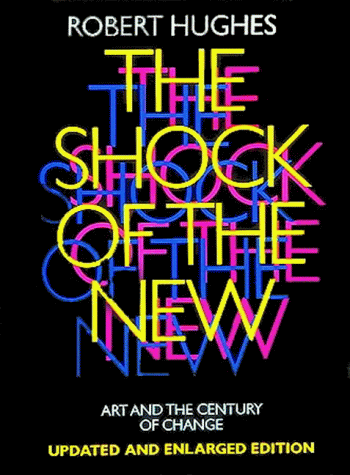
Robert Hughes traces the evolution of modern art from the late nineteenth century through the 1970s, framing the movement as a response to the rapid rise of industrial technology and urban life. He analyzes how the internal logic of Cubism, Surrealism, and German Expressionism reacted to the mechanization of war and the collapse of traditional religious authority. By examining the Bauhaus school and the aggressive aesthetics of Futurism, Hughes argues that modernism was defined by a belief in social progress through radical visual form and structural innovation.
This text serves individuals who want to understand the social and political origins of abstract and avant-garde art. Readers find a clear framework for why monumental art underwent a stylistic collapse after 1945 and how mass media began to replace the singular authority of the museum object. One walks away with a historical vocabulary to interpret the psychological shifts caused by skyscrapers, automobiles, and cinema. It provides the analytical tools required to identify the ideological motives behind modernist architecture and the eventual rise of Pop Art.
Deep and outward-looking; a moderate read.
Best for readers like The Evidence Seeker. Which reader are you?
- Published
- 1980
- Language
- EN
More by Robert Hughes
See all →
Books like The Shock of the New
See all 12 →