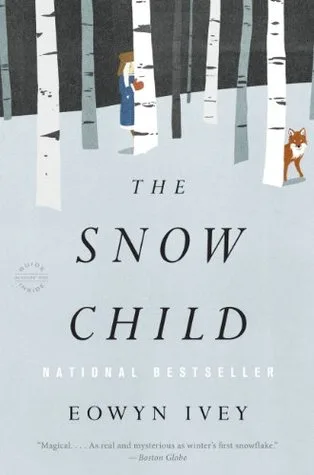
In 1920s Alaska, homesteaders Jack and Mabel struggle with the isolation of the frontier and the grief of their childless marriage. During the first snowfall, they playfully build a small figure out of snow, dressing it in a yellow scarf and mittens. The next morning, the snow child is gone, replaced by a blonde girl named Faina who survives alone in the woods with a red fox. The couple treats her as their own daughter, though she disappears with the spring thaw and returns every winter.
Readers of historical fiction and folklore-inspired narratives will find a stark depiction of survival in a subarctic climate. The book appeals to those interested in the psychological effects of solitude and the blurred line between magical realism and human desperation. It provides a detailed look at early twentieth-century Alaskan farming and hunting. A reader finishes the story with an understanding of how hope functions in a desolate landscape and how individuals construct family when traditional paths remain closed.
Contemplative; a moderate read.
Best for readers like The Empathetic Explorer. Which reader are you?
Insights from The Snow Child
“They were no longer young. They were no longer the people they had been.”
Mabel and Jack were so lonely in that cabin they basically willed a child into existence. It makes you think about how hard we cling to hope when we have nothing left.
“She was a girl of the woods, a creature of the snow.”
Fina was the best part of the story for me. She was a wild thing but she gave Mabel a reason to keep going during those brutal winters.
“He wanted to believe in the impossible.”
The way Jack kept the secret of the little girl for so long was heartbreaking. He was so afraid of being crazy or losing the dream.
“The world was a white silence.”
Alaska felt like a character that was trying to kill them. Gardening in that soil seemed like an act of war against the frost.
- Published
- 2012
- Publisher
- Little, Brown and Company
- ISBN
- 9780316175678
- Language
- EN