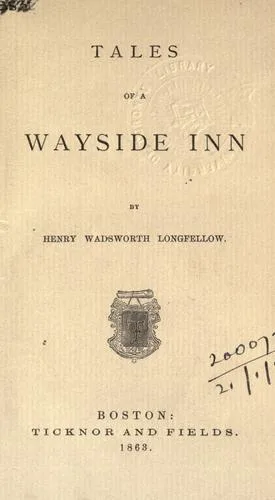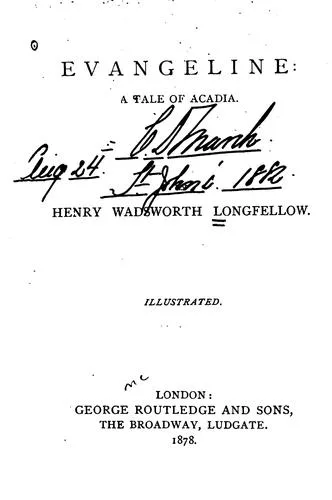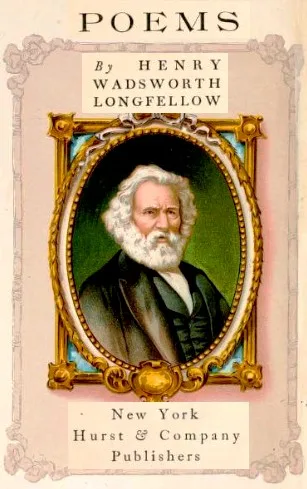
Henry Wadsworth Longfellow’s collection centers on the titular epic poem, which utilizes a rhythmic trochaic tetrameter to narrate the life of an Ojibwe warrior named Hiawatha. The narrative follows his childhood on the shores of Lake Superior, his marriage to Minnehaha, and his efforts to bring peace and agricultural stability to his people. The book also contains shorter works that depict historical events, New England landscapes, and folklore. These poems rely on heavy repetition and vivid imagery to document the legends of the indigenous tribes and the arrival of European settlers.
This collection serves middle grade and young adult readers who are studying the development of American literary traditions and rhythmic verse. Students read it to recognize how meter influences storytelling and to observe how 19th-century poets framed historical narratives. The reader finishes the book with a deeper understanding of classical poetic structures and a familiarity with the specific mythological figures that shaped early American folk identity. It provides a formal entry point into narrative poetry through its predictable cadence and descriptive storytelling.
- Published
- 1800
- Language
- EN
![The United States in Literature [with three long stories] -- Seventh Edition](https://kwbjoqloympvbpzbrfja.supabase.co/storage/v1/object/public/scan-images/catalog/f48162c6-7eb5-41ec-933b-9c4218489c7d-full.webp)