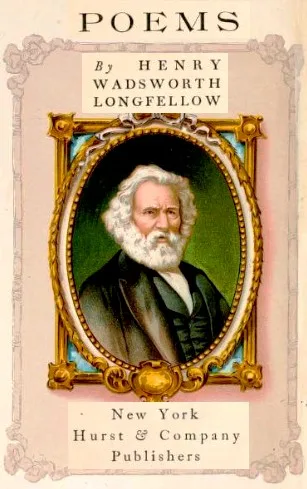
Henry Wadsworth Longfellow’s epic poem follows the life of Hiawatha, an Ojibwe warrior chosen by the Great Spirit to lead his people toward a peaceful future. Set in the forests of Lake Superior, the narrative tracks his growth from a motherless child raised by his grandmother, Nokomis, into a legendary leader. The rhythm of the trochaic tetrameter mimics indigenous drumbeats as it recounts Hiawatha’s marriage to Minnehaha, his invention of written picture symbols, and his legendary battles against Mudjekeewis and the corn-spirit Mondamin.
Young readers and students of classical literature read this adaptation to understand the folklore and environmental values of pre-colonial North America. By engaging with these stanzas, the reader learns specific mythological origins concerning the stars, animals, and seasonal cycles. They leave with a grasp of the oral storytelling traditions used by the Lake Superior tribes to explain the natural world. This edition provides a visual and rhythmic entry point for those studying how poetic meter can reflect cultural heritage and landscape.
- Published
- 1855
- Language
- EN
![The United States in Literature [with three long stories] -- Seventh Edition](https://kwbjoqloympvbpzbrfja.supabase.co/storage/v1/object/public/scan-images/catalog/f48162c6-7eb5-41ec-933b-9c4218489c7d-full.webp)