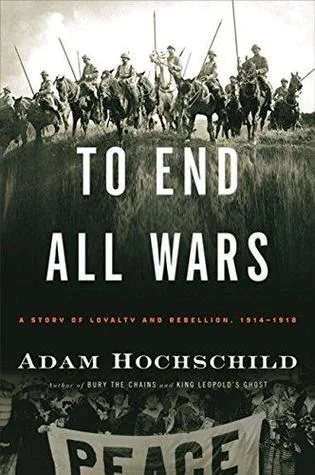
Adam Hochschild focuses on the internal fractures within Great Britain during the First World War, contrasting the fervor of military leaders with the defiance of the anti-war movement. He follows specific figures, such as the suffragette Sylvia Pankhurst and various conscientious objectors, who chose imprisonment or social ostracism rather than participate in the slaughter. The narrative pits these dissenters against those directing the war effort, including General Douglas Haig and Field Marshal John French. By examining the conflict through this domestic lens, Hochschild details how the clash between pacifism and imperial loyalty shaped the British home front.
History enthusiasts and those interested in the ethics of social protest read this for its granular look at political resistance. The book provides a detailed map of how dissent functions during a period of national mobilization and state-enforced patriotism. Readers walk away with a clear understanding of the logistics behind military command and the heavy personal costs paid by activists who refused to fight. It delivers a portrait of the Great War as both a global catastrophe and a bitter, localized ideological struggle.
- Published
- 2011
- Language
- EN
More by Adam Hochschild
See all →
Readers also enjoyed