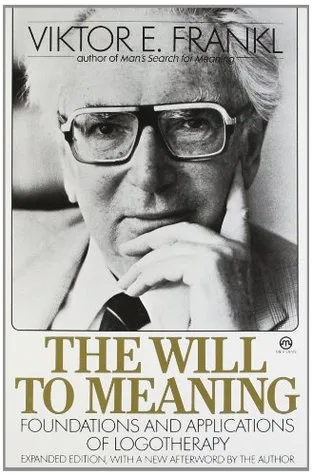
Viktor Frankl documents his survival in Nazi concentration camps, focusing on the psychological mechanics of endurance under extreme deprivation. He describes the transition from initial shock to apathy and the eventual struggle with liberation. The text introduces logotherapy, a clinical approach based on the human drive to find meaning. Frankl argues that prisoners who identified a concrete purpose—such as a specific task to complete or a loved one to reunite with—maintained a higher physiological and mental resilience than those who lost their sense of future. He details how internal freedom remains intact even when external autonomy is stripped away.
This book serves students of psychology, theology, and philosophy who seek to understand the limits of human suffering. Readers look for practical frameworks to navigate existential crises and personal despair. The text provides a method for reclaiming agency by shifting focus from personal pleasure to objective responsibility. By the end, a reader understands how to construct a durable inner life that can withstand hostile environments. It offers a technical perspective on hope as a tool for survival rather than a mere emotional state.
- Published
- 1946
- Language
- EN