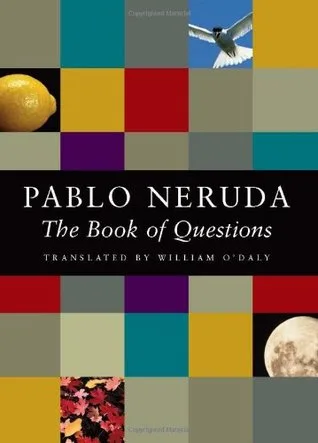
Published when the author was nineteen, this collection documents the physical intensity and eventual erosion of a romantic relationship set against the backdrop of the Chilean landscape. Neruda utilizes maritime imagery, wind, and twilight to map the female body as a natural geography. The poems track a progression from the erotic discovery of the beloved to a state of profound isolation. He employs concrete nouns like roots, salt, and moss to ground abstract longing in the tangible world, concluding with a final song that marks the permanent departure of the lover.
Readers of lyric poetry turn to this volume to observe how nature imagery can articulate the mechanics of human intimacy and grief. It serves as a technical case study for writers interested in the transition from traditional Modernismo to a more direct, sensory vocabulary. The reader gains a precise lexicon for describing the physical sensation of absence and the way memory attaches itself to specific environments. It offers a framework for understanding how adolescent desire evolves into a permanent, melancholy recognition of loss.
Deep, inward-looking and contemplative; a moderate read.
Best for readers like The Mindful Reader. Which reader are you?
- Published
- 1924
- Language
- EN