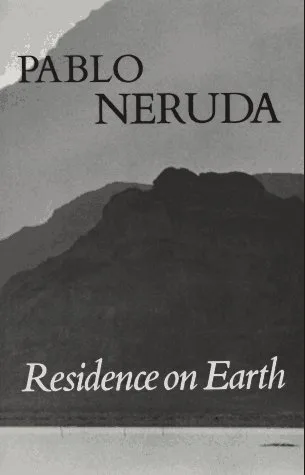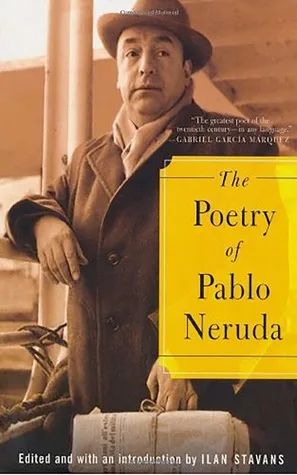
This collection brings together the evolving poetic phases of Neruda’s early and middle career, moving from the desperate, surrealist isolation of the Residency on Earth series to the expansive historical vision of Canto General. The verses shift from dense, anatomical metaphors regarding decay and solitude to a direct, politicized celebration of South American geography, labor, and pre-colonial ancestry. Readers encounter detailed observations of natural objects, such as stones and roots, alongside fierce condemnations of industrial exploitation and historical violence against workers.
Students of Spanish literature and writers interested in the transition from modernism to social realism study this volume to understand how personal lyricism can merge with public protest. The reader gains a technical appreciation for how Neruda uses elemental imagery—sea, wind, and soil—to build a national identity. By following the progression of his style, one acquires a clearer perspective on how 20th-century poetry functioned as a tool for both private emotional release and collective political mobilization across borders.
Deep, inward-looking and contemplative; a moderate read.
Best for readers like The Wisdom Collector. Which reader are you?
- Published
- 1951
- Language
- EN