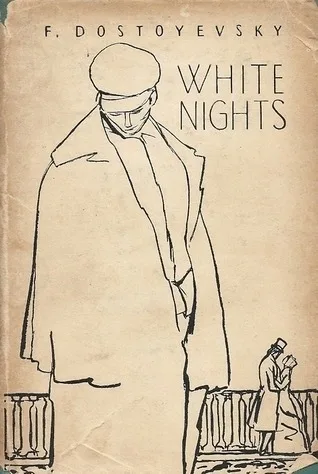
Set during the luminous summer twilight of Saint Petersburg, the story follows a lonely narrator who lives almost entirely within his own imagination. He encounters Nastenka, a young woman weeping on a bridge, and they form an intense connection over four nights. The narrator confesses his habit of replacing physical reality with elaborate internally constructed fantasies, while Nastenka shares her longing for a lover who promised to return for her. Their dialogue centers on the tension between the safety of private dreams and the vulnerability required for genuine human intimacy.
This book serves readers interested in the psychological distinction between social isolation and the curated solace of the mind. It appeals to those who examine the emotional consequences of living as a detached observer of society. Readers walk away with a clear portrait of the "dreamer" archetype—a person who risks losing the capacity for real relationships by over-investing in mental idealizations. The text provides a somber look at how briefly shared affection can both justify and deepen a person’s permanent solitude.
Deep, inward-looking and thought-provoking; a moderate read.
Best for readers like The Wisdom Collector. Which reader are you?
Insights from White Nights
“The sky was so bright, so clear, that one could not help asking oneself: can such people live under such a sky?”
St. Petersburg looks different when the sun barely sets. It makes the Dreamer feel like a ghost in his own city.
“I am a dreamer; I have so little real life.”
Living in your head is safe until you meet someone real. Nastenka is a person, not a fantasy, and that changes everything.
“It was a wonderful night, such a night as is only possible when we are young.”
Four nights of talking can feel longer than an entire year. The intensity of their connection makes time feel irrelevant.
“I feel as though I were being deserted by the whole of St. Petersburg.”
Loneliness makes you notice things other people ignore. The Dreamer talks to the houses on the street because no one else listens.
- Published
- 1848
- Language
- EN