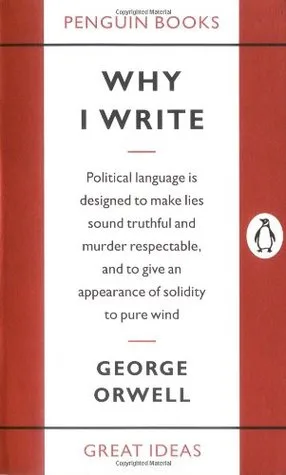
In this essay, George Orwell identifies four primary motivations for authorship: sheer egoism, aesthetic enthusiasm, historical impulse, and political purpose. He traces his personal trajectory from a lonely child crafting imaginary stories to a professional writer shaped by the Spanish Civil War and the rise of totalitarianism. Orwell insists that no book is truly neutral, arguing that the desire to push the world in a certain direction is a fundamental driver of literature. He explains that his mature work serves the singular goal of turning political writing into an art form, emphasizing clarity of thought as a defense against propaganda.
This text serves students of prose and aspiring journalists who want to understand the mechanics of persuasive writing. Readers use Orwell’s framework to audit their own creative intentions and to recognize how external political pressures influence creative choices. The essay provides a clear standard for prose that avoids decorative jargon in favor of directness. After reading, a person understands how to align their personal voice with a broader social mission, gaining a practical philosophy for maintaining intellectual honesty in an age of mass misinformation.
- Published
- 1946
- Language
- EN
Quotes by George Orwell
More →Who controls the past controls the future. Who controls the present controls the past.
1984
All animals are equal, but some animals are more equal than others.
Animal Farm
In a time of deceit, telling the truth is a revolutionary act.
More by George Orwell
See all →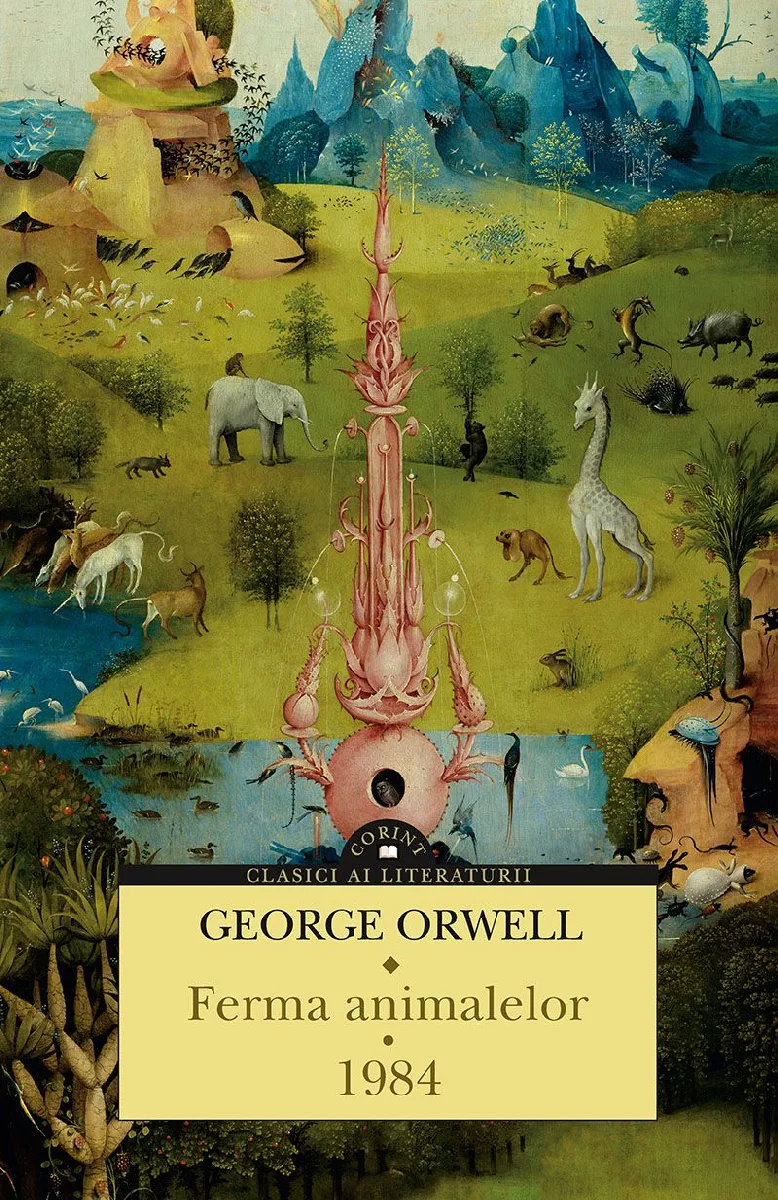

Readers also enjoyed