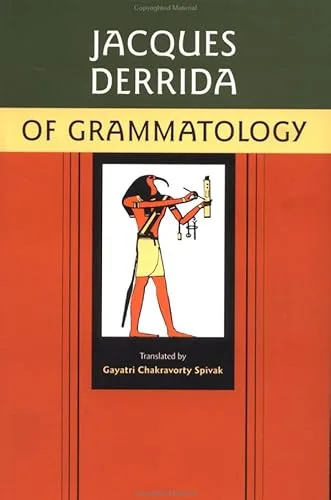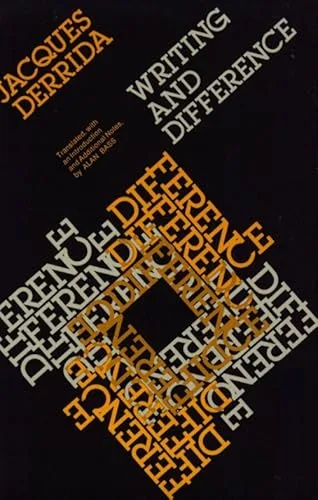
This collection of essays critiques western metaphysics by analyzing the tension between structuralism and the instability of language. Derrida introduces deconstruction through a rigorous examination of Ferdinand de Saussure’s linguistics, Sigmund Freud’s psychological models, and Claude Lévi-Strauss’s anthropology. He argues that meaning is never fully present but is always deferred through a process he labels différance. By examining the hierarchical relationship between speech and writing, he demonstrates how philosophical systems rely on a stable center or "transcendental signified" that collapses under close textual scrutiny.
Scholars of literary theory, philosophy, and continental thought use this text to dismantle fixed interpretations of cultural artifacts. The reader gains a toolkit for identifying the internal contradictions and silences within any structured argument. Instead of seeking a single objective truth, the reader learns to trace the play of signifiers and understand how cultural meaning is constructed through exclusion. This work provides the foundational vocabulary for analyzing how binary oppositions shape human knowledge and institutional authority.
Deep, contemplative and open-ended; a demanding read.
Best for readers like The Literary Connoisseur. Which reader are you?
- Published
- 1967
- Language
- EN