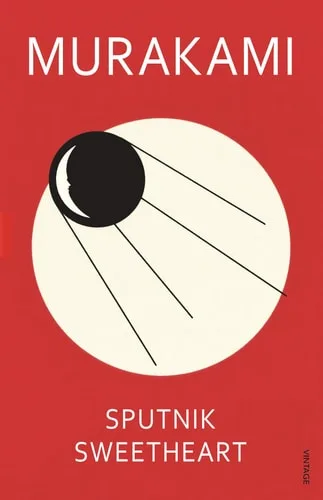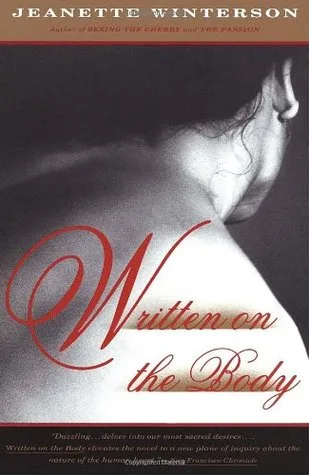
The story follows an unnamed and gender-neutral narrator who falls into a passionate affair with Louise, a married woman. When Louise is diagnosed with leukemia, the narrator chooses to leave her, believing that her husband, a cancer specialist, can provide better medical care and a longer life. The narrative shift focuses on the biological landscape of the human body, using anatomical terminology and physiological descriptions to translate emotional loss into physical matter. The text maps the lover’s skin, cells, and skeletal structure as a way to preserve a person through language when their physical presence is absent.
Readers of experimental fiction and queer literature value this book for its refusal to assign a gender or name to the protagonist, forcing an focus on the raw mechanics of desire. It attracts those interested in the intersection of medical science and romantic obsession. The reader gains a perspective on how grief functions as a physical sensation rather than just a psychological state. By the end, the work demonstrates how memory cataloging can serve as a substitute for touch when a relationship is severed by illness or choice.
Deep, inward-looking, open-ended and thought-provoking; a moderate read.
Best for readers like The Wisdom Collector. Which reader are you?
- Published
- 1992
- Language
- EN