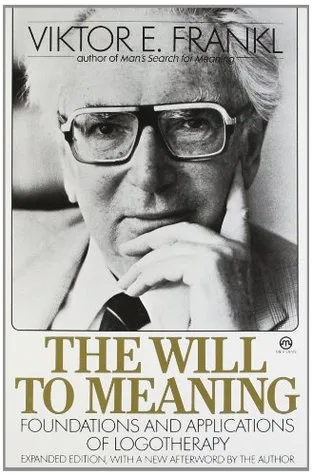
Based on a series of public lectures delivered in 1946, shortly after his liberation from a concentration camp, Viktor Frankl details the foundations of logotherapy. He argues against the contemporary nihilism of the post-war era, asserting that human existence retains its meaning regardless of external circumstances. By analyzing the psychological states of prisoners and the terminally ill, Frankl demonstrates that individuals can find purpose through creative action, the appreciation of beauty, or the dignity found in unavoidable suffering. He introduces the concept of the "human spirit's defiance," noting that while people cannot choose their fate, they remain responsible for their internal response to it.
This book serves readers seeking a philosophical framework for resilience during periods of personal loss, depression, or existential crisis. Those who study psychology or ethics read it to understand the distinction between biological survival and the cognitive requirement for purpose. Readers walk away with a practical method for reattaining agency by shifting focus from what they expect from life to what life expects from them. It provides a concrete argument for maintaining a constructive outlook when faced with the three dimensions of the human tragic triad: pain, guilt, and death.
- Published
- 1946
- Language
- EN