Books like Guns, Germs, and Steel: The Fates of Human Societies
12 books with a reading profile close to Guns, Germs, and Steel: The Fates of Human Societies by Jared Diamond. Deep and outward-looking; a moderate read.
-
1
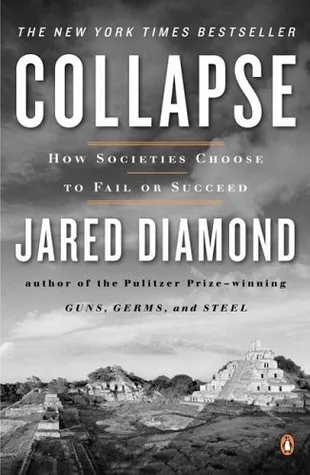
Collapse: How Societies Choose to Fail or Succeed
Also deep and outward-looking · history, analytical
Jared Diamond examines why some civilizations vanish while others endure by applying a five-point framework of environmental collapse.
-
2
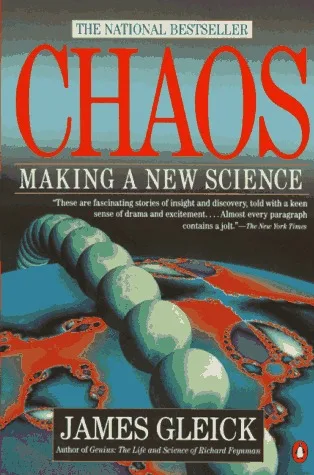
Chaos: Making a New Science
by James Gleick
Also outward-looking · history, analytical
James Gleick chronicles the emergence of a new physics centered on non-linear systems and unpredictable behavior.
-
3
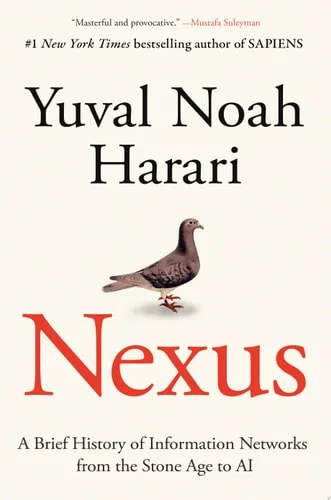
Nexus A Brief History of Information Networks from the Stone Age to AI
Also deep and outward-looking · history, analytical
In Nexus, Yuval Noah Harari examines how information networks function as a mechanism for social control and institutional structure rather than merely a path to truth.
-
4
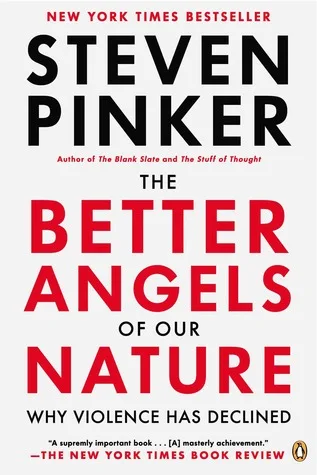
The Better Angels of Our Nature: Why Violence Has Declined
Also deep and outward-looking · history, analytical
Steven Pinker argues that physical violence has steadily decreased over centuries, reaching its historical nadir in the modern era.
-
5
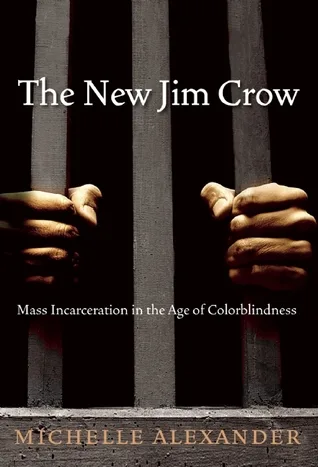
The New Jim Crow: Mass Incarceration in the Age of Colorblindness
Also deep and outward-looking · history, analytical
Michelle Alexander argues that the American legal system functions as a contemporary mechanism of racial control, effectively relegating millions of Black men to a permanent second-class status.
-
6
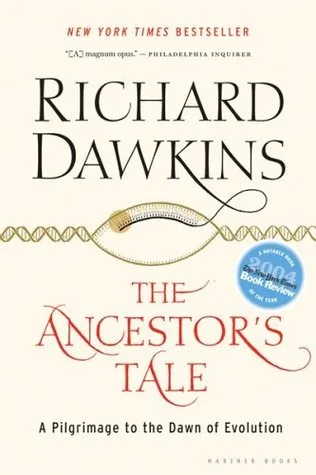
The Ancestor's Tale: A Pilgrimage to the Dawn of Evolution
Also deep and outward-looking · analytical, theoretical
Richard Dawkins travels backwards through evolutionary history, starting with modern humans and moving toward the origin of life.
-
7

Dark Money: The Hidden History of the Billionaires Behind the Rise of the Radical Right
by Jane Mayer
Also outward-looking · history, analytical
Jane Mayer tracks the decades-long evolution of a coordinated political network funded by ultraconservative billionaires, most notably Charles and David Koch.
-
8
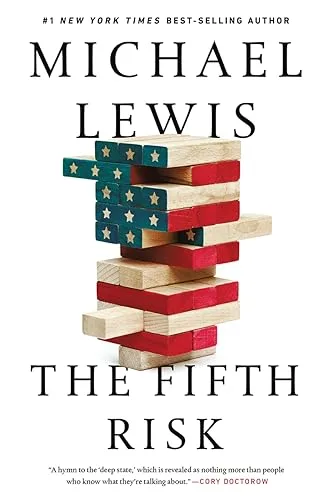
The Fifth Risk: Undoing Democracy
Also outward-looking · history, analytical
In this study of federal governance, Michael Lewis details the transition between the Obama and Trump administrations, focusing on the Department of Energy, the Department of Agriculture, and the Department of Commerce.
-
9
The Great Escape
by Angus Deaton
Also outward-looking · history, analytical
Angus Deaton examines the historical divergence in global living standards, tracking how breakthroughs in medicine and economic productivity allowed specific populations to exit lives of poverty and early death.
-
10

Nexus
Also outward-looking · history, analytical
Nexus examines the historical relationship between information networks and the survival of social structures.
-
11
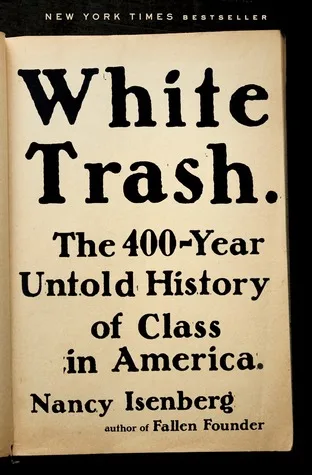
White Trash: The 400-Year Untold History of Class in America
Also deep and outward-looking · history, analytical
Nancy Isenberg dismantles the myth of American class mobility by tracing the persistent existence of a marginalized white underclass from the colonial era to the present.
-
12
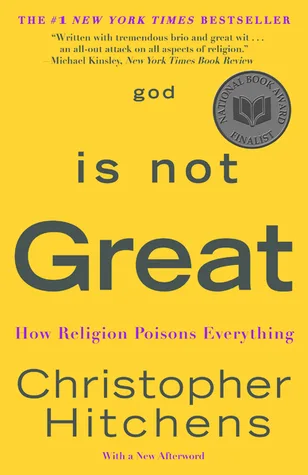
God Is Not Great: How Religion Poisons Everything
Also outward-looking · history, analytical
Christopher Hitchens argues that organized religion is a human invention that harms social progress and intellectual honesty.
Get picks matched to your own reading on papr.
Get papr
