Books like How We Decide
12 books with a reading profile close to How We Decide by Jonah Lehrer. Balanced in tone; a moderate read.
-
1
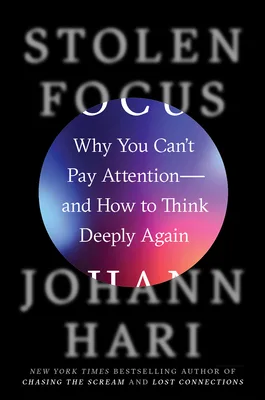
Stolen Focus: Why You Can't Pay Attention— and How to Think Deeply Again
by Johann Hari
practical, analytical
Johann Hari investigates the collapse of human concentration, arguing that our dwindling attention spans are not personal failings but the result of external systemic forces.
-
2
-
3
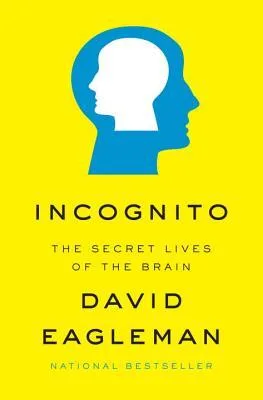
Incognito: The Secret Lives of the Brain
analytical, accessible
David Eagleman argues that the conscious mind is a small passenger on a massive ship driven by hidden machinery.
-
4
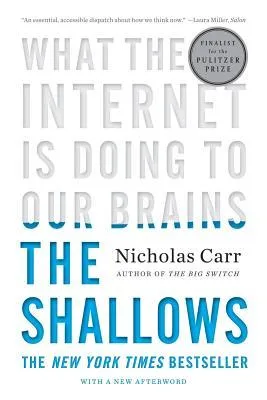
The Shallows: What the Internet Is Doing to Our Brains
analytical, accessible
Nicholas Carr argues that our constant interaction with the internet is physically reshaping our neural pathways.
-
5
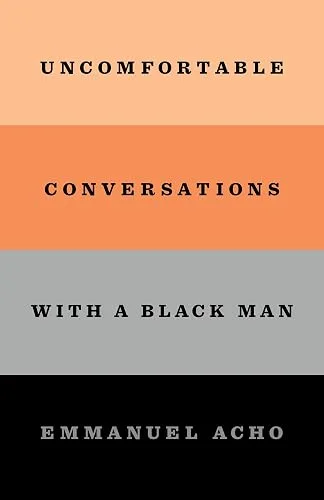
Uncomfortable Conversations With a Black Man
practical, analytical
Emmanuel Acho, a former NFL linebacker, set up a video series in 2020 after the murder of George Floyd, where he invites white viewers to ask questions about race that they might be afraid to raise elsewhere.
-
6
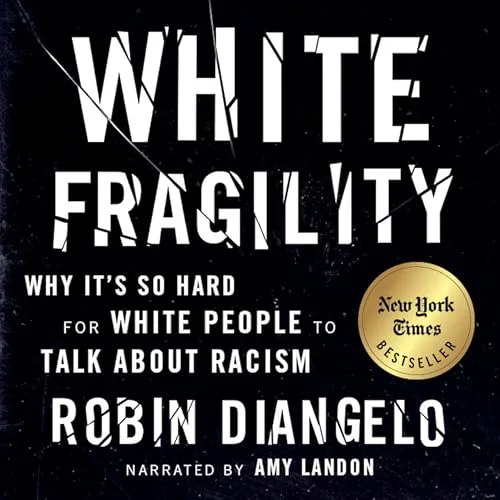
White Fragility: Why It's So Hard for White People to Talk About Racism
analytical, accessible
Robin DiAngelo defines white fragility as a state in which even a minimum amount of racial stress becomes intolerable, triggering a range of defensive moves including anger, fear, and guilt.
-
7
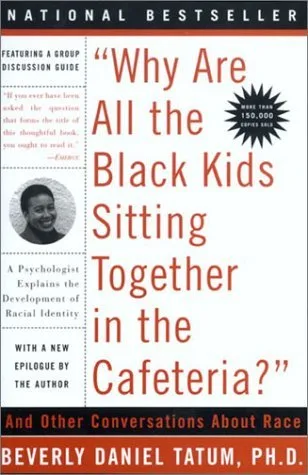
Why Are All The Black Kids Sitting Together in the Cafeteria?
analytical, accessible
Beverly Daniel Tatum uses clinical psychology and developmental frameworks to explain how racial identity forms in a society shaped by systemic inequality.
-
8
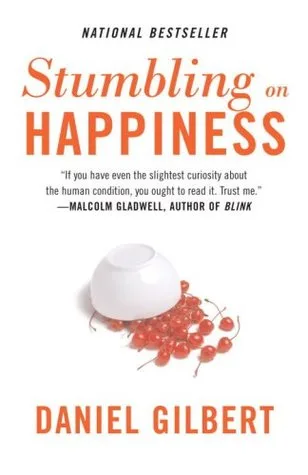
Stumbling on Happiness
analytical, accessible
Daniel Gilbert argues that the human brain lacks the hardware to accurately predict what will provide future satisfaction.
-
9
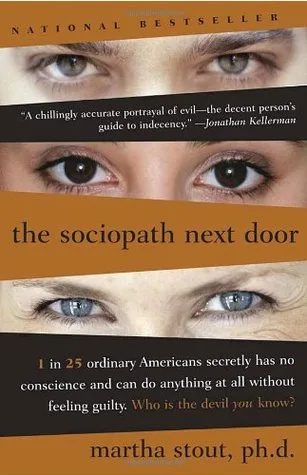
The Sociopath Next Door
by Martha Stout
analytical, accessible
Martha Stout argues that one in twenty-five people lacks a conscience, meaning they experience no guilt or remorse regardless of their actions.
-
10
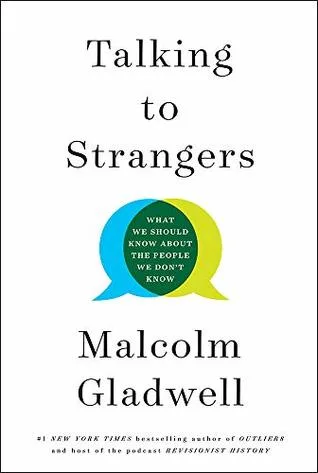
Talking to Strangers: What We Should Know About the People We Don't Know
analytical, accessible
Malcolm Gladwell examines the recurring failures that occur when we attempt to decipher the intentions of people we do not know.
-
11
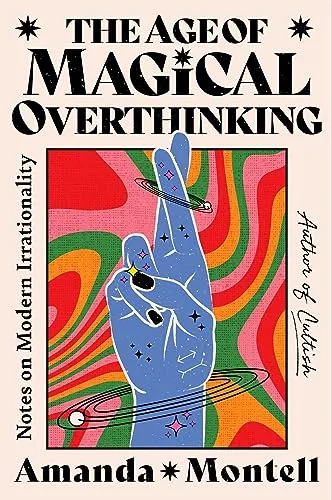
The Age of Magical Overthinking: Notes on Modern Irrationality
analytical, accessible
In this collection of essays, Amanda Montell examines how the human brain’s evolved cognitive biases clash with the information glut of the digital era.
-
12
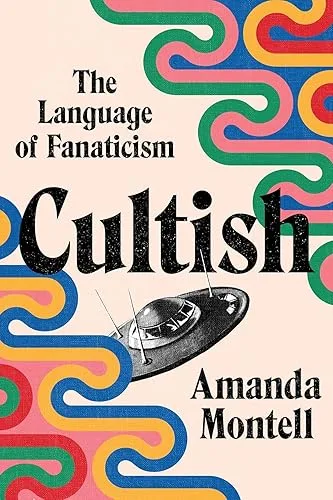
Cultish: The Language of Fanaticism
analytical, accessible
Amanda Montell examines how linguistic techniques such as "though-terminating clichés," redefinition of common words, and loaded labels create psychological bridges between mainstream life and extremist groups.
Get picks matched to your own reading on papr.
Get papr
