Books like Proust Was a Neuroscientist
12 books with a reading profile close to Proust Was a Neuroscientist by Jonah Lehrer. Balanced in tone; a moderate read.
-
1

Hidden Valley Road: Inside the Mind of an American Family
analytical, narrative
Don and Mimi Galvin raised twelve children in mid-century Colorado, only to see six of their sons develop schizophrenia.
-
2
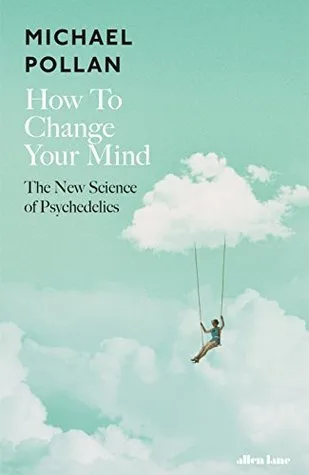
How to Change Your Mind: The New Science of Psychedelics
analytical, narrative
Michael Pollan chronicles the resurgence of clinical research into lysergic acid diethylamide (LSD) and psilocybin, tracing their transition from fifties psychiatric tools to prohibited counterculture symbols.
-
3
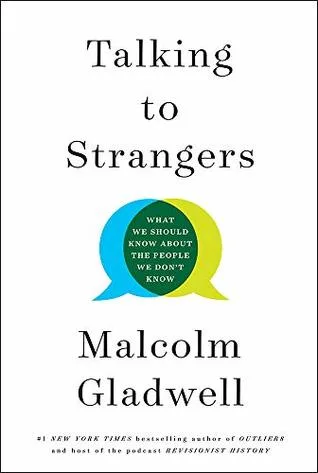
Talking to Strangers: What We Should Know About the People We Don't Know
analytical, narrative
Malcolm Gladwell examines the recurring failures that occur when we attempt to decipher the intentions of people we do not know.
-
4
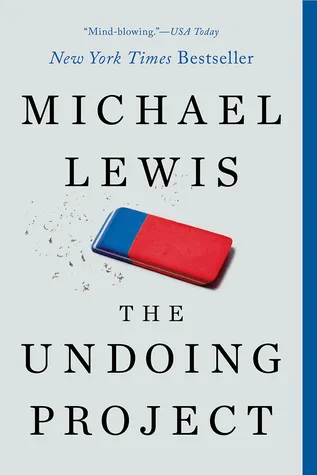
The Undoing Project: A Friendship That Changed Our Minds
analytical, narrative
Michael Lewis chronicles the intellectual partnership between Israeli psychologists Daniel Kahneman and Amos Tversky.
-
5

Doppelganger: A Trip into the Mirror World
by Naomi Klein
analytical, narrative
Naomi Klein begins this analysis by documenting her frequent online confusion with Naomi Wolf, a former feminist icon who transitioned into a prominent figure in the anti-vaccine movement and far-right media circles.
-
6

The Psychopath Test: A Journey Through the Madness Industry
by Jon Ronson
analytical, narrative
Jon Ronson begins his investigation with a mysterious puzzle sent to academics, which leads him to the Hare Psychopathy Checklist, a twenty-point diagnostic tool used by clinicians and parole boards.
-
7
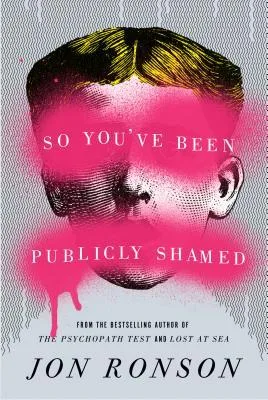
So You've Been Publicly Shamed
by Jon Ronson
analytical, narrative
Jon Ronson investigates the mechanics of modern digital shaming by interviewing individuals whose lives were dismantled by viral social media backlashes.
-
8
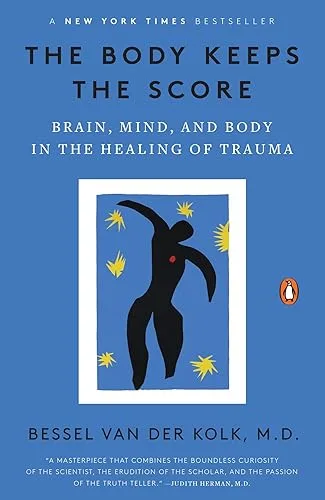
The Body Keeps the Score: Brain, Mind, and Body in the Healing of Trauma
analytical, narrative
Bessel van der Kolk explains how traumatic stress physically reconfigures the brain’s wiring, specifically impacting the amygdala, hippocampus, and prefrontal cortex.
-
9
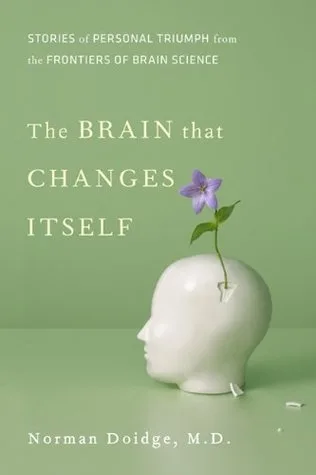
The Brain that Changes Itself: Stories of Personal Triumph from the Frontiers of Brain Science
analytical, narrative
Norman Doidge presents the science of neuroplasticity, challenging the long-held anatomical belief that the adult brain is a rigid, fixed machine.
-
10
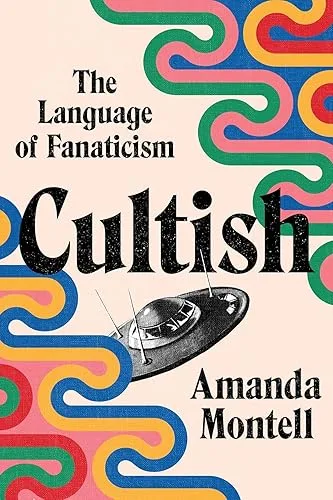
Cultish: The Language of Fanaticism
analytical, narrative
Amanda Montell examines how linguistic techniques such as "though-terminating clichés," redefinition of common words, and loaded labels create psychological bridges between mainstream life and extremist groups.
-
11
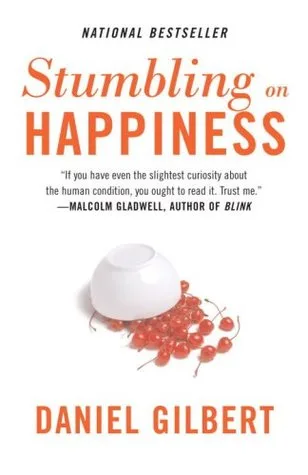
Stumbling on Happiness
analytical, psychology
Daniel Gilbert argues that the human brain lacks the hardware to accurately predict what will provide future satisfaction.
-
12
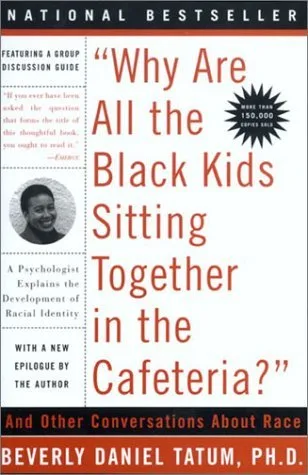
Why Are All The Black Kids Sitting Together in the Cafeteria?
analytical, psychology
Beverly Daniel Tatum uses clinical psychology and developmental frameworks to explain how racial identity forms in a society shaped by systemic inequality.
Get picks matched to your own reading on papr.
Get papr
