Books like The science of Game of thrones
12 books with a reading profile close to The science of Game of thrones by Helen Keen. Outward-looking and clear-cut; a moderate read.
-
1
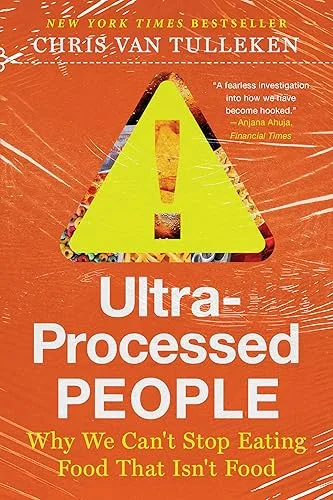
Ultra-Processed People: Why We Can't Stop Eating Food That Isn't Food
Also outward-looking and clear-cut · analytical, accessible
Chris van Tulleken examines the rise of Ultra-Processed People (UPP) and the industrial manufacturing methods that create substances designed for overconsumption.
-
2
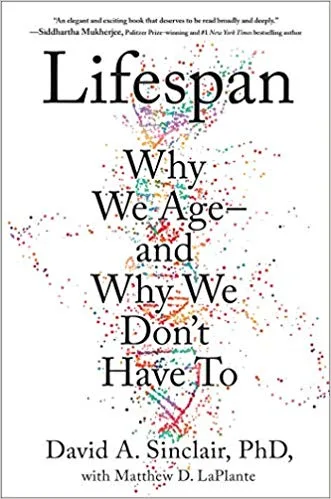
Lifespan: Why We Age―and Why We Don't Have To
Also outward-looking · analytical, accessible
David Sinclair proposes that aging is a treatable medical condition rather than an inevitable biological decay.
-
3
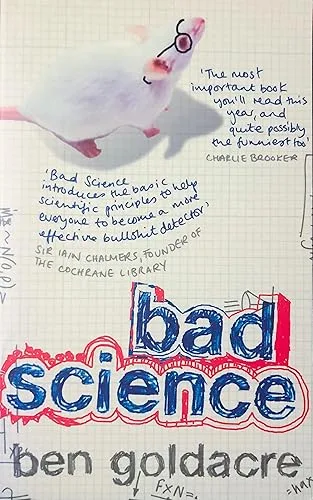
Bad Science
by Ben Goldacre
Also outward-looking and clear-cut · analytical, accessible
Ben Goldacre dismantles the misuse of statistics and clinical evidence by nutritionists, pharmaceutical companies, and the mainstream media.
-
4

The Uninhabitable Earth: Life After Warming
Also outward-looking and clear-cut · analytical, accessible
David Wallace-Wells argues that climate change is occurring much faster and with more devastating consequences than current political discourse suggests.
-
5
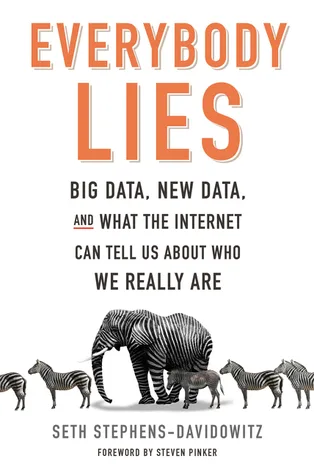
Everybody Lies: Big Data, New Data, and What the Internet Can Tell Us About Who We Really Are
Also outward-looking · analytical, accessible
Seth Stephens-Davidowitz argues that traditional surveys and public statements are unreliable because people constantly filter their responses to appear socially acceptable.
-
6
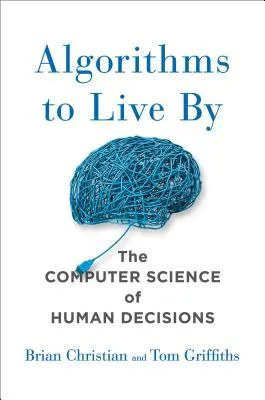
Algorithms to Live By: The Computer Science of Human Decisions
Also outward-looking and clear-cut · analytical, accessible
Brian Christian and Tom Griffiths explain how mathematical principles used in computer science apply to human dilemmas.
-
7
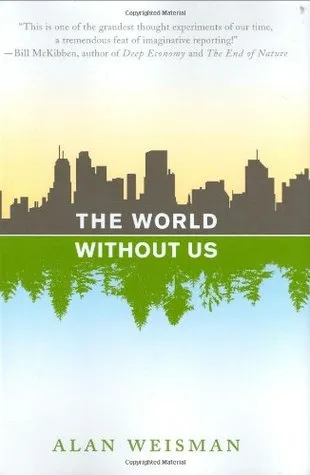
The World Without Us
by Alan Weisman
Also outward-looking · analytical, accessible
Alan Weisman presents a thought experiment regarding the physical fate of the Earth following the sudden disappearance of the human race.
-
8

Freakonomics: A Rogue Economist Explores the Hidden Side of Everything
Also outward-looking · analytical, accessible
Steven D.
-
9
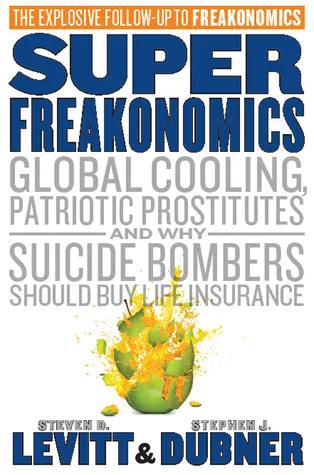
SuperFreakonomics: Global Cooling, Patriotic Prostitutes And Why Suicide Bombers Should Buy Life Insurance
Also outward-looking and clear-cut · analytical, accessible
Steven Levitt and Stephen Dubner apply microeconomic principles to unconventional human behaviors, arguing that people respond directly to incentives regardless of moral implications.
-
10
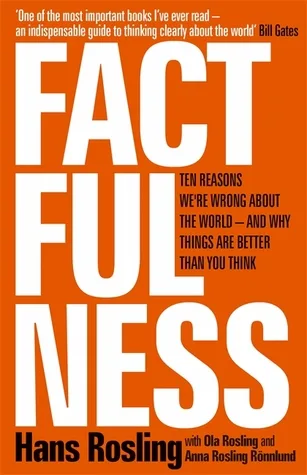
Factfulness: Ten Reasons We're Wrong About the World – and Why Things Are Better Than You Think
by Hans Rosling
Also outward-looking and clear-cut · analytical, accessible
Hans Rosling identifies ten mental instincts that distort our perception of global reality, such as the gap instinct, which falsely divides the world into "us" and "them," and the negativity instinct, which causes us to…
-
11
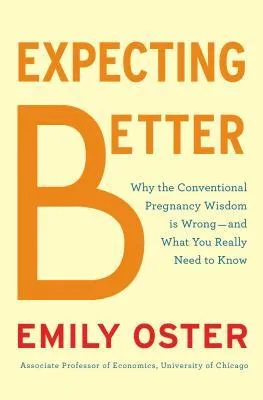
Expecting Better: Why the Conventional Pregnancy Wisdom is Wrong - and What You Really Need to Know
by Emily Oster
Also outward-looking and clear-cut · analytical, accessible
Economics professor Emily Oster applies data analysis to pregnancy by evaluating the scientific studies behind standard medical restrictions.
-
12

THE INVISIBLE COUP
Also outward-looking and clear-cut · analytical, accessible
Peter Schweizer argues that current patterns of mass migration are not accidental shifts in population but are instead calculated tools of political warfare.
Get picks matched to your own reading on papr.
Get papr
