Books like The Shallows: What the Internet Is Doing to Our Brains
12 books with a reading profile close to The Shallows: What the Internet Is Doing to Our Brains by Nicholas Carr. Clear-cut; a moderate read.
-
1
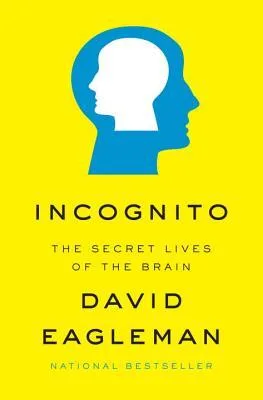
Incognito: The Secret Lives of the Brain
analytical, psychology
David Eagleman argues that the conscious mind is a small passenger on a massive ship driven by hidden machinery.
-
2
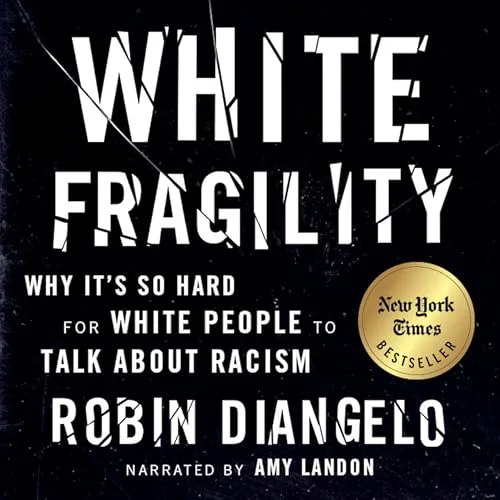
White Fragility: Why It's So Hard for White People to Talk About Racism
Also clear-cut · analytical, psychology
Robin DiAngelo defines white fragility as a state in which even a minimum amount of racial stress becomes intolerable, triggering a range of defensive moves including anger, fear, and guilt.
-
3
-
4

The Sociopath Next Door
by Martha Stout
Also clear-cut · analytical, psychology
Martha Stout argues that one in twenty-five people lacks a conscience, meaning they experience no guilt or remorse regardless of their actions.
-
5
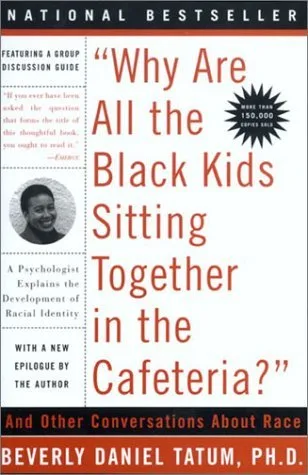
Why Are All The Black Kids Sitting Together in the Cafeteria?
analytical, psychology
Beverly Daniel Tatum uses clinical psychology and developmental frameworks to explain how racial identity forms in a society shaped by systemic inequality.
-
6
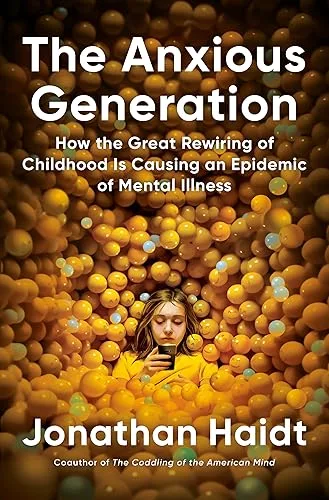
The Anxious Generation: How the Great Rewiring of Childhood Caused an Epidemic of Mental Illness
Also clear-cut · analytical, psychology
Jonathan Haidt argues that the sudden rise in adolescent mental illness beginning around 2010 resulted from a fundamental shift in the structure of childhood.
-
7
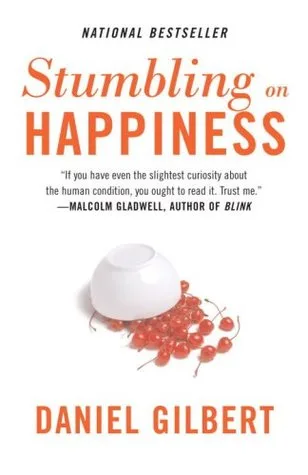
Stumbling on Happiness
analytical, psychology
Daniel Gilbert argues that the human brain lacks the hardware to accurately predict what will provide future satisfaction.
-
8

The Paradox of Choice: Why More Is Less
analytical, psychology
In contemporary markets, the explosion of product variety—from hundred-flavor soda fountains to endless healthcare plans—backfires on the consumer.
-
9
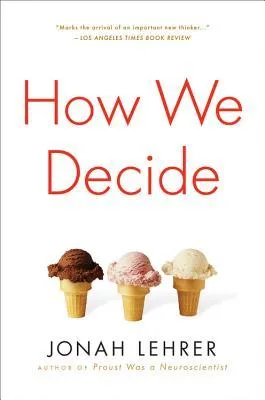
How We Decide
by Jonah Lehrer
analytical, psychology
Jonah Lehrer details the biological mechanics behind human choice, focusing on the interplay between the emotional brain and the rational prefrontal cortex.
-
10
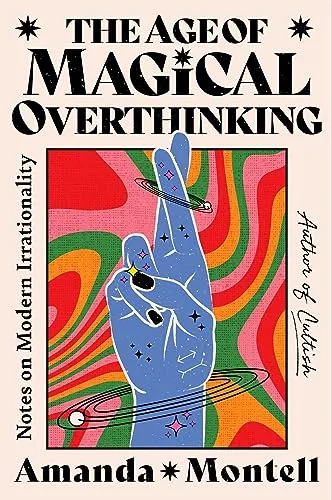
The Age of Magical Overthinking: Notes on Modern Irrationality
analytical, psychology
In this collection of essays, Amanda Montell examines how the human brain’s evolved cognitive biases clash with the information glut of the digital era.
-
11
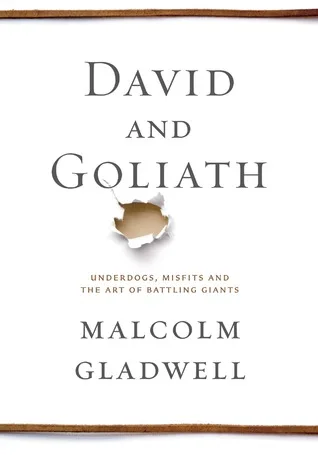
David and Goliath: Underdogs, Misfits, and the Art of Battling Giants
analytical, psychology
Malcolm Gladwell reinterprets the biblical battle between David and Goliath to demonstrate how perceived weaknesses can function as strategic advantages.
-
12

Blink: The Power of Thinking Without Thinking
analytical, psychology
Malcolm Gladwell examines the cognitive process of rapid cognition, where the brain makes split-second decisions based on limited data.
Get picks matched to your own reading on papr.
Get papr
