Books like Think Again: The Power of Knowing What You Don't Know
12 books with a reading profile close to Think Again: The Power of Knowing What You Don't Know by Adam M. Grant. Growth-minded and clear-cut; an easy read.
-
1
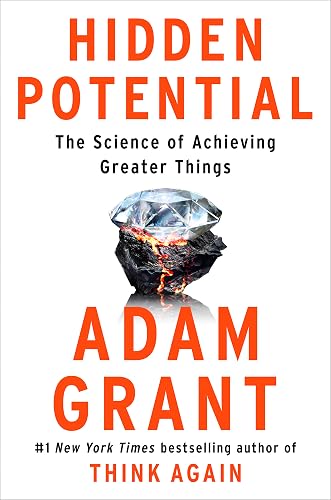
Hidden Potential: The Science of Achieving Greater Things
Also growth-minded and clear-cut · self help, personal growth
In Hidden Potential, Adam Grant argues that success is not a byproduct of innate talent but a result of character skills developed over time.
-
2
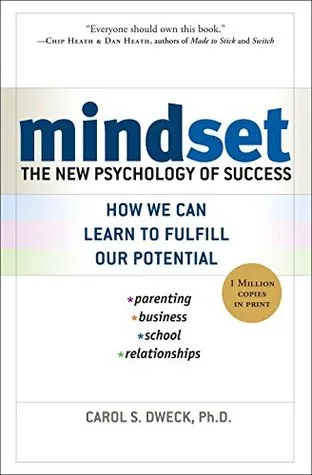
Mindset: The New Psychology of Success
Also growth-minded and clear-cut · self help, personal growth
Carol Dweck identifies two distinct frameworks for processing achievement: the fixed mindset and the growth mindset.
-
3
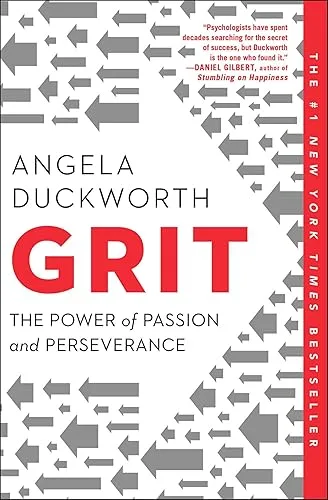
Grit: The Power of Passion and Perseverance
Also growth-minded and clear-cut · self help, personal growth
Angela Duckworth argues that long-term success stems from a blend of passion and persistence rather than innate talent.
-
4

No More Mr. Nice Guy
Also growth-minded and clear-cut · self help, personal growth
Robert Glover defines the Nice Guy Syndrome as a pattern where men prioritize others' needs to avoid conflict and seek validation.
-
5
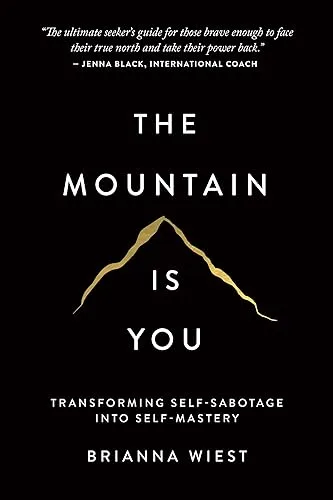
The Mountain Is You: Transforming Self-Sabotage Into Self-Mastery
Also growth-minded and clear-cut · self help, personal growth
Brianna Wiest argues that self-sabotage is not a character flaw but a psychological mechanism used to meet unmet needs.
-
6
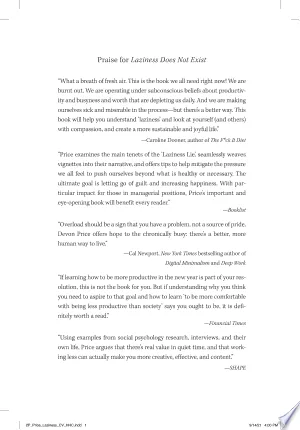
Laziness Does Not Exist
by Devon Price
Also clear-cut · self help, personal growth
Social psychologist Devon Price identifies a cultural phenomenon called the laziness lie, a belief system rooted in Puritan work ethics that ties human worth to productivity.
-
7
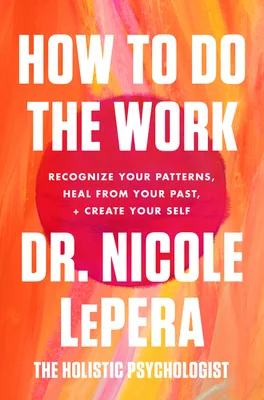
How to Do the Work: Recognize Your Patterns, Heal from Your Past, and Create Your Self
Also growth-minded and clear-cut · self help, personal growth
In this manual for holistic psychology, Nicole LePera argues that individuals can manage their own mental wellness by addressing the link between the nervous system and childhood biological programming.
-
8
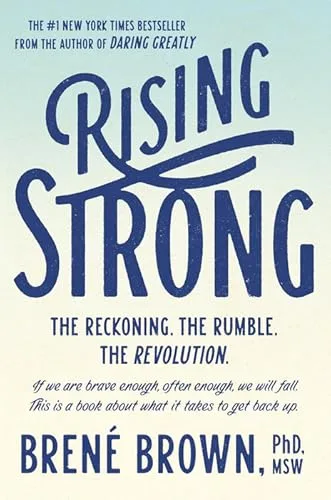
Rising Strong: The Reckoning. The Rumble. The Revolution
by Brené Brown
Also clear-cut · self help, personal growth
Brené Brown focuses on the physics of vulnerability, specifically how to recover from failure, heartbreak, and professional setbacks.
-
9
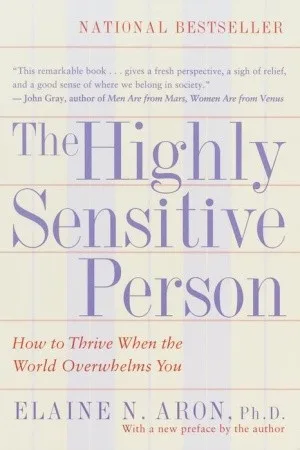
The Highly Sensitive Person: How to Thrive When the World Overwhelms You
Also clear-cut · self help, personal growth
Elaine N.
-
10
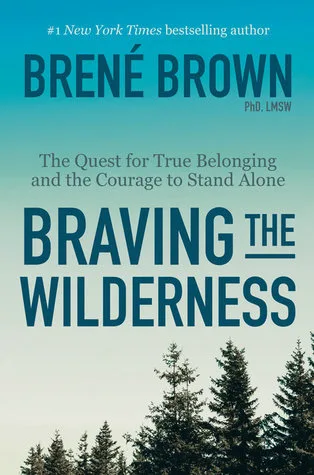
Braving the Wilderness
by Brené Brown
Also clear-cut · self help, personal growth
Brené Brown argues that true belonging is not a social negotiation but a spiritual practice originating from self-acceptance.
-
11
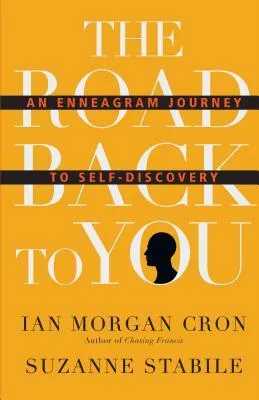
The Road Back to You: An Enneagram Journey to Self-Discovery
Also clear-cut · self help, personal growth
Ian Morgan Cron presents the Enneagram as a personality typing system rooted in ancient wisdom and modern psychology.
-
12
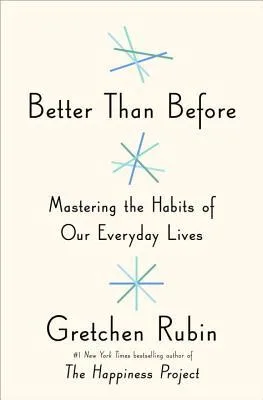
Better Than Before: Mastering the Habits of Our Everyday Lives
Also growth-minded and clear-cut · self help, personal growth
Gretchen Rubin centers her analysis on the Four Tendencies framework, which categorizes individuals based on how they respond to internal and external expectations: Upholders, Questioners, Obligers, and Rebels.
Get picks matched to your own reading on papr.
Get papr
