Books like What If?: Serious Scientific Answers to Absurd Hypothetical Questions
12 books with a reading profile close to What If?: Serious Scientific Answers to Absurd Hypothetical Questions by Randall Munroe. Outward-looking; a moderate read.
-
1
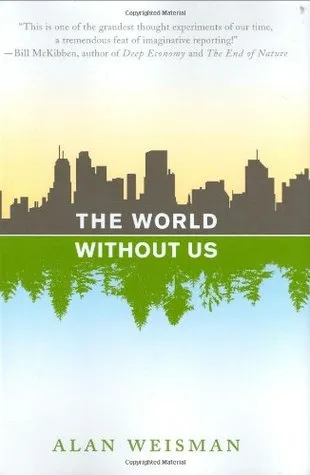
The World Without Us
by Alan Weisman
Also outward-looking · analytical, data driven
Alan Weisman presents a thought experiment regarding the physical fate of the Earth following the sudden disappearance of the human race.
-
2

Modern Romance
by Aziz Ansari
analytical, entertainment
Aziz Ansari teams up with sociologist Eric Klinenberg to analyze how digital technology has shifted the landscape of finding a partner.
-
3

The science of Game of thrones
by Helen Keen
Also outward-looking · analytical, data driven
Helen Keen investigates the technical and historical realities behind George R.R.
-
4
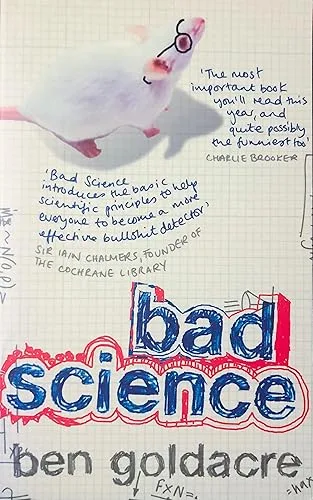
Bad Science
by Ben Goldacre
Also outward-looking · analytical, data driven
Ben Goldacre dismantles the misuse of statistics and clinical evidence by nutritionists, pharmaceutical companies, and the mainstream media.
-
5
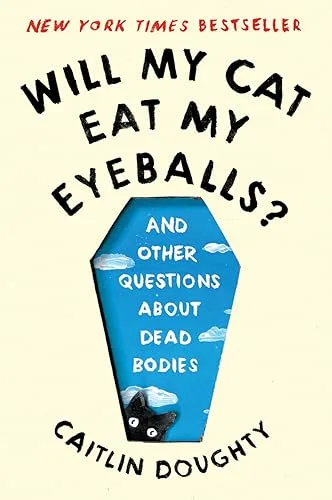
Will My Cat Eat My Eyeballs? And Other Questions About Dead Bodies
Also outward-looking · entertainment, data driven
Mortician Caitlin Doughty responds to the anatomical and forensic inquiries pose by children regarding what happens to a human corpse after death.
-
6
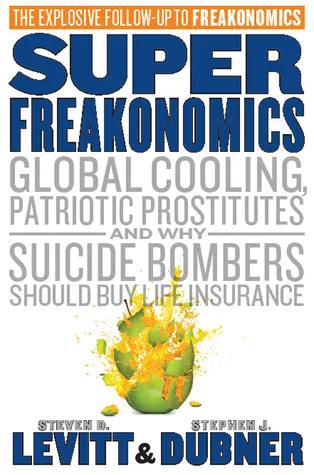
SuperFreakonomics: Global Cooling, Patriotic Prostitutes And Why Suicide Bombers Should Buy Life Insurance
Also outward-looking · analytical, data driven
Steven Levitt and Stephen Dubner apply microeconomic principles to unconventional human behaviors, arguing that people respond directly to incentives regardless of moral implications.
-
7

Freakonomics: A Rogue Economist Explores the Hidden Side of Everything
Also outward-looking · analytical, data driven
Steven D.
-
8
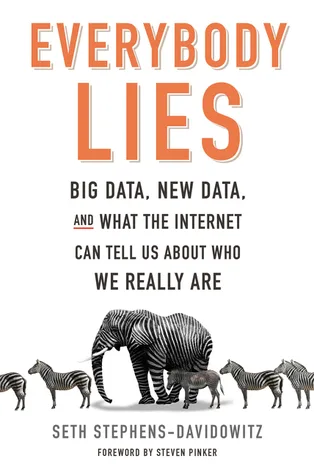
Everybody Lies: Big Data, New Data, and What the Internet Can Tell Us About Who We Really Are
Also outward-looking · analytical, data driven
Seth Stephens-Davidowitz argues that traditional surveys and public statements are unreliable because people constantly filter their responses to appear socially acceptable.
-
9
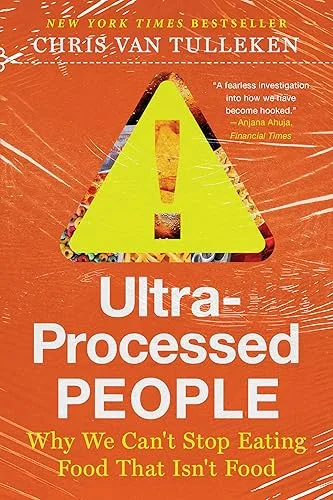
Ultra-Processed People: Why We Can't Stop Eating Food That Isn't Food
Also outward-looking · analytical, data driven
Chris van Tulleken examines the rise of Ultra-Processed People (UPP) and the industrial manufacturing methods that create substances designed for overconsumption.
-
10

Sex, Drugs, and Cocoa Puffs: A Low Culture Manifesto
analytical, entertainment
Chuck Klosterman analyzes the intersection of mainstream entertainment and personal identity through eighteen distinct essays.
-
11
The Magic of Reality: How We Know What's Really True
Also outward-looking · analytical, accessible
Richard Dawkins tackles questions that children ask about the world, such as who the first person was, what the sun is, why there are seasons, what causes earthquakes and rainbows, and why bad things happen.
-
12
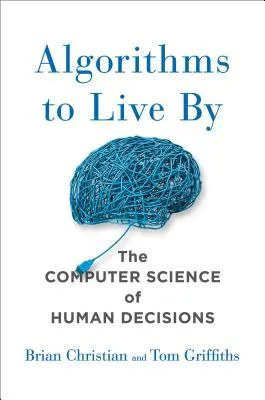
Algorithms to Live By: The Computer Science of Human Decisions
Also outward-looking · analytical, data driven
Brian Christian and Tom Griffiths explain how mathematical principles used in computer science apply to human dilemmas.
Get picks matched to your own reading on papr.
Get papr
