Books like Why We Sleep: Unlocking the Power of Sleep and Dreams
12 books with a reading profile close to Why We Sleep: Unlocking the Power of Sleep and Dreams by Matthew Walker. Growth-minded and clear-cut; a moderate read.
-
1
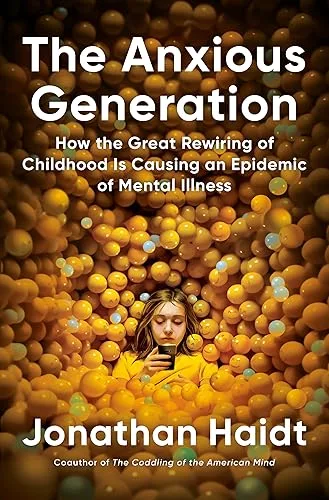
The Anxious Generation: How the Great Rewiring of Childhood Caused an Epidemic of Mental Illness
Also growth-minded and clear-cut · analytical, accessible
Jonathan Haidt argues that the sudden rise in adolescent mental illness beginning around 2010 resulted from a fundamental shift in the structure of childhood.
-
2
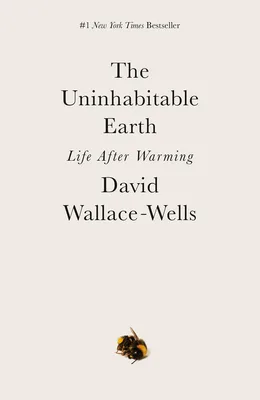
The Uninhabitable Earth: Life After Warming
Also growth-minded and clear-cut · analytical, accessible
David Wallace-Wells argues that climate change is occurring much faster and with more devastating consequences than current political discourse suggests.
-
3
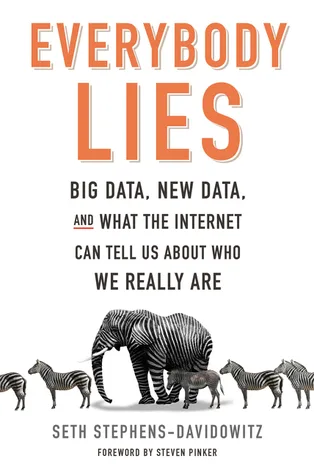
Everybody Lies: Big Data, New Data, and What the Internet Can Tell Us About Who We Really Are
analytical, accessible
Seth Stephens-Davidowitz argues that traditional surveys and public statements are unreliable because people constantly filter their responses to appear socially acceptable.
-
4
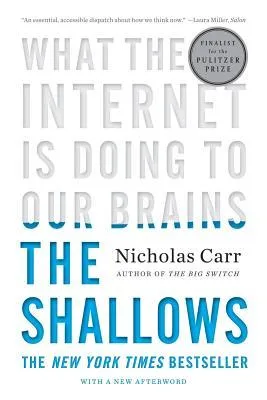
The Shallows: What the Internet Is Doing to Our Brains
Also clear-cut · analytical, accessible
Nicholas Carr argues that our constant interaction with the internet is physically reshaping our neural pathways.
-
5
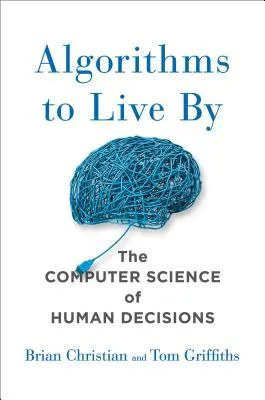
Algorithms to Live By: The Computer Science of Human Decisions
Also clear-cut · analytical, accessible
Brian Christian and Tom Griffiths explain how mathematical principles used in computer science apply to human dilemmas.
-
6
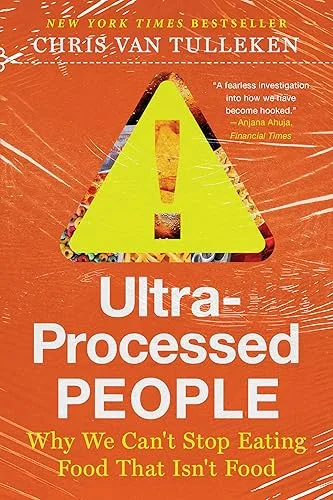
Ultra-Processed People: Why We Can't Stop Eating Food That Isn't Food
Also clear-cut · analytical, accessible
Chris van Tulleken examines the rise of Ultra-Processed People (UPP) and the industrial manufacturing methods that create substances designed for overconsumption.
-
7
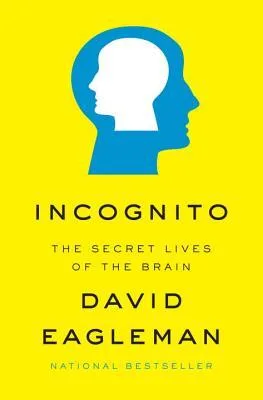
Incognito: The Secret Lives of the Brain
analytical, accessible
David Eagleman argues that the conscious mind is a small passenger on a massive ship driven by hidden machinery.
-
8
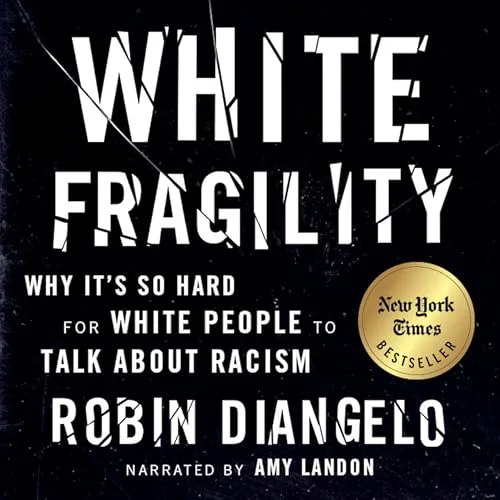
White Fragility: Why It's So Hard for White People to Talk About Racism
Also growth-minded and clear-cut · analytical, accessible
Robin DiAngelo defines white fragility as a state in which even a minimum amount of racial stress becomes intolerable, triggering a range of defensive moves including anger, fear, and guilt.
-
9
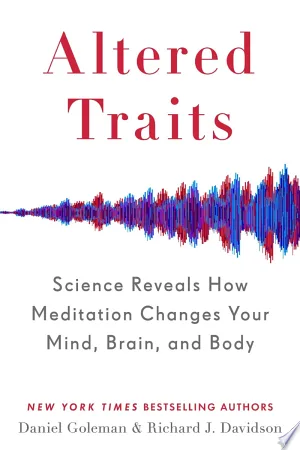
Altered Traits
by Daniel Goleman, Richard J. Davidson
analytical, accessible
Daniel Goleman and Richard Davidson analyze the scientific data surrounding meditation to distinguish between temporary mental states and enduring neurological shifts.
-
10
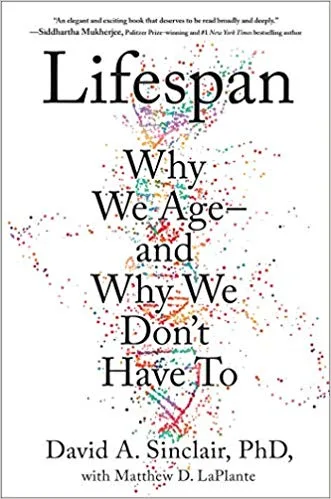
Lifespan: Why We Age―and Why We Don't Have To
Also growth-minded · analytical, accessible
David Sinclair proposes that aging is a treatable medical condition rather than an inevitable biological decay.
-
11
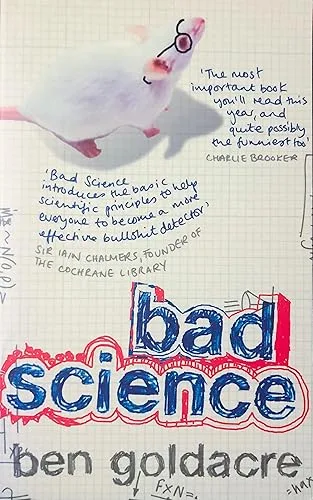
Bad Science
by Ben Goldacre
Also clear-cut · analytical, accessible
Ben Goldacre dismantles the misuse of statistics and clinical evidence by nutritionists, pharmaceutical companies, and the mainstream media.
-
12

The science of Game of thrones
by Helen Keen
Also clear-cut · analytical, accessible
Helen Keen investigates the technical and historical realities behind George R.R.
Get picks matched to your own reading on papr.
Get papr
