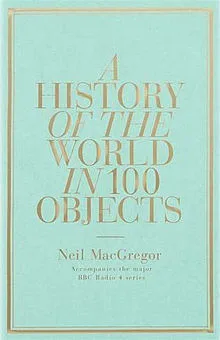
Neil MacGregor reconstructs the timeline of human civilization by examining one hundred specific artifacts from the British Museum’s collection. Each chapter focuses on a single physical item—ranging from a two-million-year-old stone chopping tool to a solar-powered lamp—to explain how humans adapted to their environments and organized their societies. By analyzing trade goods like the Ming banknote and religious icons like the Shiva and Parvati sculpture, MacGregor demonstrates how manufacturing techniques and the movement of raw materials reveal interconnected global networks that written records often overlook.
This book serves readers interested in material culture and global history who prefer tactile examples over abstract geopolitical theories. It appeals to those who want to understand how everyday tools and decorative art reflect shifts in religious belief, economic structures, and technological capability across continents. A reader finishes the text with a functional framework for identifying how physical objects act as primary historical evidence, allowing them to connect ancient craftsmanship to the realities of modern industrial production.
Outward-looking and clear-cut; a moderate read.
Best for readers like The Evidence Seeker. Which reader are you?
- Published
- 2010
- Language
- EN
More by Neil MacGregor
See all →
Books like A History of the World in 100 Objects
See all 12 →