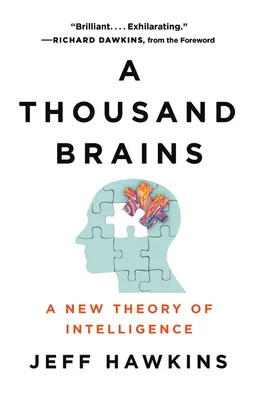
Jeff Hawkins proposes that human intelligence arises from thousands of identical computational units within the neocortex called cortical columns. Unlike traditional views of a centralized processing system, this model suggests each column creates its own independent model of the world using reference frames. These structures map physical objects and abstract concepts similarly to how GPS tracks location. Knowledge is not stored in one place; instead, the brain reaches a consensus through a voting mechanism among these distributed models to perceive reality and predict sensory input.
This book is intended for computer scientists, neurobiology students, and those interested in the architectural differences between biological brains and current artificial intelligence. Readers gain a technical framework for understanding why existing machine learning lacks common sense and goal-oriented flexibility. The text provides a roadmap for creating truly intelligent machines by replicating the sensorimotor learning and reference frame systems found in human biology. Individuals interested in the long-term survival of human knowledge through space colonization or digital preservation will find the concluding chapters on machine consciousness and legacy particularly relevant.
- Published
- 2021
- Language
- EN