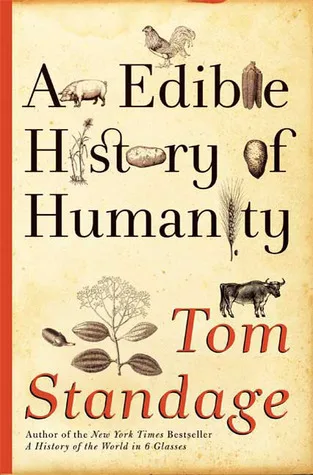
Tom Standage argues that food is the primary engine of historical change, functioning as a tool of social organization and political power. He tracks the shift from foraging to farming, explaining how cereal grains like wheat and maize allowed for tax collection and the birth of rigid social hierarchies. The book details how the search for spices drove the global maritime trade, how potatoes fueled the Industrial Revolution by sustaining a growing urban working class, and how the Green Revolution utilized specialized seeds and fertilizers to avert mass starvation in the twentieth century.
The book serves readers interested in the intersections of agricultural science, economics, and sociology. It attracts those who want to understand the mechanical link between what humans eat and how civilizations expand or collapse. Readers finish the text with a technical grasp of how food production influences geopolitical strategies and environmental stability. It provides a framework for viewing sustenance not just as nutrition or craft, but as a foundational technology that determines the structure of modern society and its future challenges.
Outward-looking and clear-cut; a moderate read.
Best for readers like The Evidence Seeker. Which reader are you?
- Published
- 2010
- Language
- EN
More by Tom Standage
See all →
Books like An Edible History of Humanity
See all 12 →