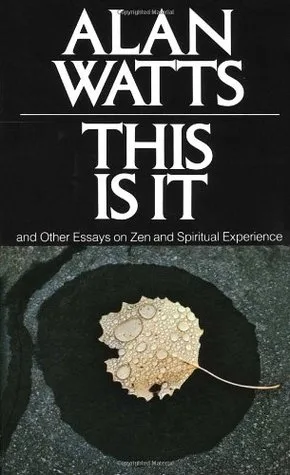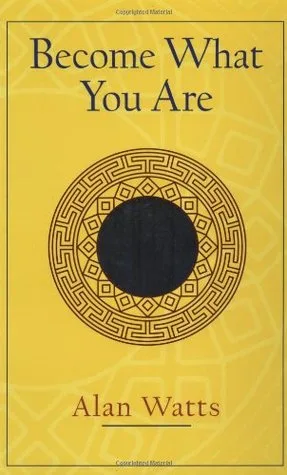
This collection of essays centers on the paradox of self-improvement and the futility of chasing spiritual enlightenment as a future goal. Watts applies principles from Zen Buddhism, Taoism, and Christian mysticism to argue that human identity is an expression of the present moment rather than a permanent ego. He explains how the desire to become "better" or "holy" creates a dualistic tension that reinforces the very self-consciousness one seeks to transcend. By examining the Chinese concept of Wu Wei, or non-action, the text illustrates how alignment with the natural flow of life replaces frantic striving.
The volume serves readers who feel stuck in cycles of anxiety or relentless ambition. Those interested in the intersection of Eastern philosophy and Western psychology read it to dismantle the pressure of constant personal optimization. Instead of offering a list of habits or techniques, the text provides a framework for accepting one's immediate state of being. The reader finishes the book with a perspective that prioritizes observation over control, recognizing that the seeker and the goal are inherently the same.
Deep, inward-looking and contemplative; a moderate read.
Best for readers like The Mindful Reader. Which reader are you?
- Published
- 1955
- Language
- EN