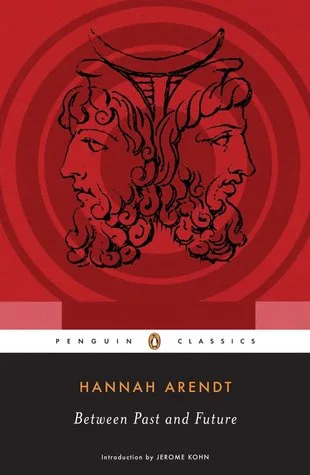
Hannah Arendt examines the erosion of traditional political concepts following the collapse of European historical authority. She argues that modern society lives in a gap between a defunct past and an uncertain future, lacking the landmarks of religion and tradition that once guided human action. Through eight technical exercises, she analyzes the shifting definitions of freedom, authority, and truth. Arendt investigates how the rise of totalitarianism and the loss of the classical Greek "polis" have transformed political participation into mere social behavior, detaching individuals from their capacity to initiate new beginnings.
This collection targets students of political theory and philosophy who seek to understand the structural breakdown of Western governance. Readers use these essays to deconstruct the relationship between education, culture, and the state. The text provides a framework for identifying how language is manipulated in public discourse and why historical consciousness is necessary for civic engagement. By the final chapter, the reader gains a specific vocabulary for articulating the tension between individual thought and the demands of modern bureaucracy.
- Published
- 1961
- Language
- EN