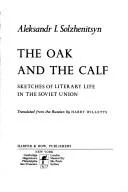
Bodalsi͡a︡ telenok s dubom
Aleksandr Solzhenitsyn details his persistent confrontation with the Soviet state apparatus from his release from the labor camps in the 1950s until his forced exile in 1974. He documents his tactical maneuvering against censoring bodies, his interactions with editors at the journal Novy Mir, and the clandestine methods used to safeguard his manuscripts. The narrative focuses on the logistical challenges of writing in secret while under KGB surveillance, the internal politics of the Soviet Writers' Union, and the specific events surrounding his receipt of the Nobel Prize in Literature.
History students and readers interested in Cold War dissidents read this book to understand the mechanisms of state censorship and the logistics of underground publishing. It provides a technical look at how an individual maintains intellectual independence within a totalitarian system. The reader gains a record of the personal risks involved in horizontal resistance and the specific psychological pressures applied by bureaucratic authorities. This memoir serves as a case study in how private conviction translates into public political defiance through the medium of literature.
- Published
- 1975
- Language
- EN