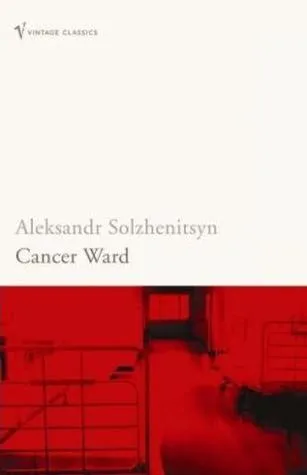
Set in a provincial Soviet hospital in 1955, the narrative focuses on Oleg Kostoglotov, a former gulag prisoner undergoing radiotherapy for a malignant tumor. The text documents the clinical realities of mid-century oncology, detailing the administration of early hormone therapies, crude radiation doses, and the physiological effects of nitrogen mustard. Through the interactions between patients like the high-ranking official Rusanov and the overworked medical staff, the book examines the intersection of biological pathology and a rigid bureaucratic state, treating the hospital ward as a microcosm of a diseased social structure.
Medical historians and students of Soviet history read this work to understand the technical limitations and ethical dilemmas of post-war medicine. It provides a detailed look at the limitations of centralized healthcare and the psychological impact of terminal diagnoses under totalitarianism. Readers walk away with a precise understanding of the history of cancer treatment, the mechanics of the Soviet exile system, and the friction between individual survival and state-mandated ideological conformity.
- Published
- 1967
- Language
- EN