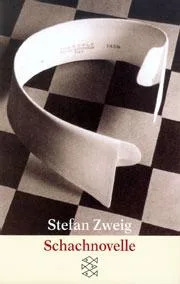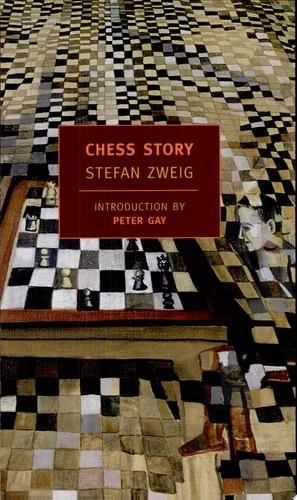
Set on a passenger liner traveling from New York to Buenos Aires, the narrative centers on an unlikely encounter between Mirko Czentovic, the arrogant world chess champion, and a mysterious passenger known as Dr. B. While Czentovic relies on cold, mechanical calculation, Dr. B displays a frantic, superior mastery of the game. He developed this skill in isolation while being held by the Gestapo, using a stolen manual to play thousands of mental matches against himself until his mind fractured into two competing personas.
This novella is for readers of psychological fiction and those interested in the mental toll of totalitarianism. It attracts individuals who value precise prose and the study of monomania. The reader walks away with a concrete understanding of how the human brain survives total sensory deprivation by creating internal worlds, and how that same mechanism can lead to a permanent loss of sanity. It provides a stark look at the conflict between raw intellect and organized trauma.
Deep, inward-looking, contemplative and thought-provoking; a moderate read.
Best for readers like The Wisdom Collector. Which reader are you?
Insights from Chess Story
True trauma never really leaves the body. Even years later, a simple chess piece made a grown man's hands shake uncontrollably.
“Nothing on earth puts such a pressure on the human soul as nothingness.”
Solitary confinement turns the mind into a predator. Dr. B survived by splitting his brain in two to play chess against himself.
“A single-mindedness that bordered on the idiotic.”
Monomania can look like genius from the outside. Czentovic is a champion but he can barely read or write a proper sentence.
A stolen book of chess games became a literal lifeline in a void. It was the only thing keeping a man from dissolving into the walls.
- Published
- 2005
- Publisher
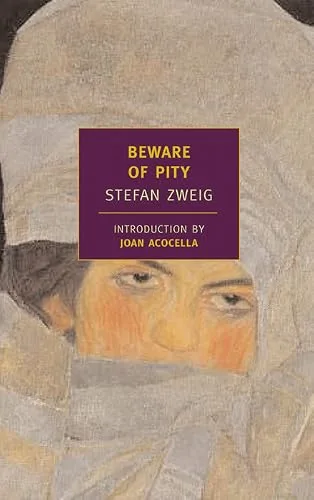
- NYRB Classics
- ISBN
- 9781590171691
- Language
- EN