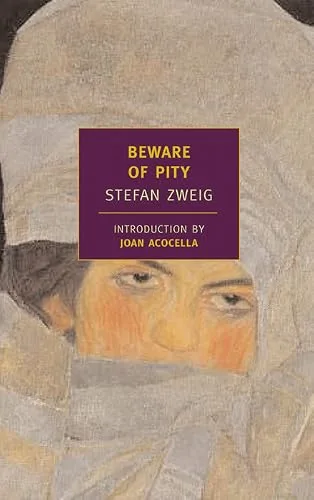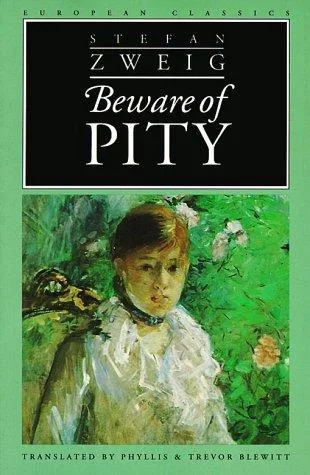
Set in 1913 against the backdrop of the declining Austro-Hungarian Empire, the narrative follows Anton Hofmiller, a young cavalry officer stationed in a small provincial town. After an awkward social blunder at a local aristocratic estate, Hofmiller discovers that the host’s daughter, Edith von Kekesfalva, is physically paralyzed. Driven by a mixture of guilt and social pressure, he begins a series of frequent visits, which Edith mistakenly interprets as romantic affection. This creates a psychological trap where Hofmiller’s inability to deliver a painful truth leads him into increasingly dishonest commitments, illustrating the destructive difference between genuine empathy and weak-willed pity.
Readers interested in psychological realism and the nuances of human manipulation study this work to understand how misplaced compassion can cause more damage than outright cruelty. It appeals to those focused on early twentieth-century European history and the fragile social codes of the pre-war military class. The reader learns to distinguish between the courage required to be honest and the cowardice often hidden behind polite gestures. By the end, one understands how sentimental impulses, when disconnected from responsibility, lead to avoidable tragedy and moral failure.
Deep, inward-looking, contemplative and thought-provoking; a moderate read.
Best for readers like The Wisdom Collector. Which reader are you?
- Published
- 1927
- Language
- EN