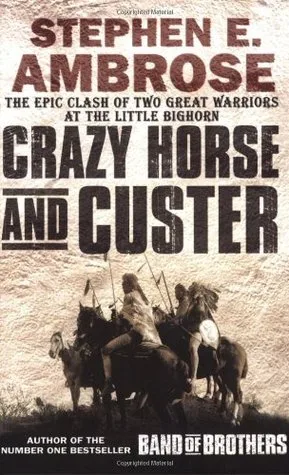
Stephen Ambrose constructs a parallel biography of George Armstrong Custer and Crazy Horse, tracking their lives from childhood to their final convergence at the Little Bighorn. He frames both men as supreme warriors within their respective cultures, molded by the rigid social expectations of the 19th-century American frontier and the Great Plains. The narrative contrasts Custer’s formal military training and political ambitions against Crazy Horse’s visionary leadership and refusal to conform to tribal norms. Ambrose argues that despite their differing backgrounds, both commanders shared an aggressive tactical mindset and a singular dedication to their people’s survival.
History enthusiasts read this book to understand the specific logistical and cultural forces that drove the Indian Wars. It provides a detailed look at the internal politics of the U.S. Army and the tribal structures of the Oglala Lakota. Readers walk away with a technical understanding of the tactical maneuvers utilized during the 1876 campaign and a clear view of how two distinct models of masculinity influenced the conflict. The text offers a direct comparison of the administrative pressure facing federal officers and the nomadic realities of indigenous resistance.
Balanced in tone; a moderate read.
Best for readers like The Story Seeker. Which reader are you?
- Published
- 1975
- Language
- EN
More by Stephen E. Ambrose
See all →