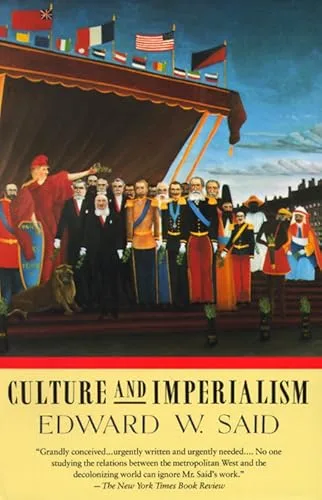
Edward Said argues that the nineteenth and twentieth-century Western novel functioned as a primary tool for justifying colonial expansion. He applies a method called contrapuntal reading to texts by authors such as Jane Austen, Joseph Conrad, and Rudyard Kipling, demonstrating how their narratives rely upon imperial geography and the subordination of distant territories. The analysis connects the domestic stability portrayed in English literature to the economic extraction occurring in the colonies. Said also examines how decolonized nations developed their own literary resistance to reclaim their cultural identity.
Comparative literature students and political historians read this work to understand the structural relationship between artistic production and state power. It provides a framework for identifying colonial biases within canonical texts and explains how narrative forms shape national identity. Readers gain a specific methodology for analyzing how cultural artifacts sustain or challenge political hegemony. By the end, they can evaluate how modern media continues to project international influence through storytelling techniques established during the height of the British and French empires.
- Published
- 1993
- Language
- EN
More by Edward W. Said
See all →
Readers also enjoyed