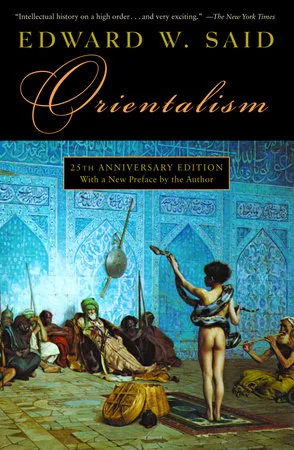
Edward Said analyzes how Western academic and artistic institutions created a distorted, artificial image of the Middle East, Asia, and North Africa to justify imperial expansion. He argues that "Orientalism" is a structural framework through which the West views the East as an irrational, static, and exotic "other" in contrast to a rational and progressive Western identity. By examining the writings of philologists, poets, and colonial administrators from the eighteenth century onward, Said demonstrates how knowledge production is inextricably linked to political power and racial prejudice.
This text is geared toward students of post-colonial theory, international relations, and cultural history who seek to understand the origins of cultural stereotypes. Readers gain a technical vocabulary for identifying how media and political discourse use biased representations to maintain geopolitical dominance. The material provides a method for analyzing how literature and scholarship can act as tools of statecraft, allowing researchers to recognize the silent assumptions embedded in historical archives and modern foreign policy.
- Published
- 1978
- Language
- EN
More by Edward W. Said
See all →
Readers also enjoyed