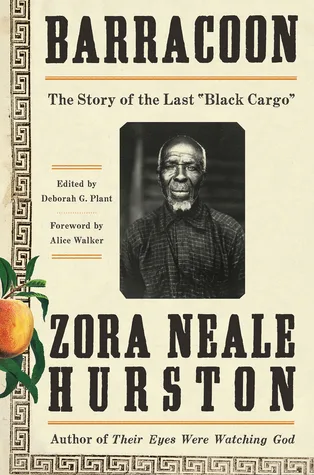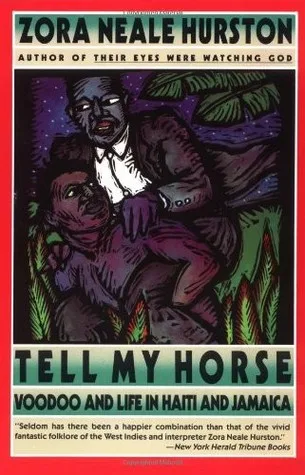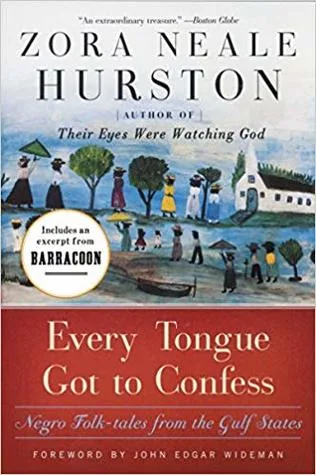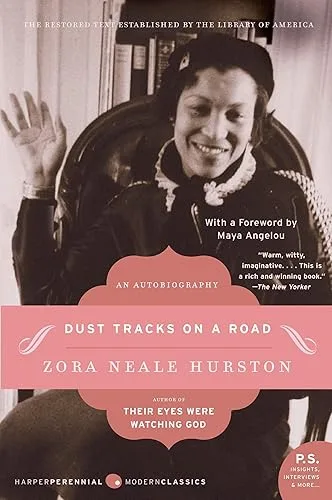
Zora Neale Hurston recounts her upbringing in Eatonville, Florida, the first incorporated all-Black town in the United States, and her subsequent path through Howard University and Barnard College. The narrative details her transition from a spirited child in a rural community to a trained anthropologist documenting Southern folklore and Caribbean voodoo rituals. Hurston describes her interactions with the Harlem Renaissance literary circle and her professional fieldwork under Franz Boas. She explains her individualistic philosophy on racial identity, folk traditions, and the social dynamics of the Jim Crow era.
Readers interested in the history of the Harlem Renaissance and the development of American anthropology value this account for its firsthand perspective on twentieth-century intellectual life. It appeals to those seeking to understand the tension between academic rigor and cultural preservation. The book provides a look at how personal ambition and linguistic style shape a literary career despite systemic barriers. A reader learns about the specific regional customs of the Deep South and gains insight into Hurston’s refusal to conform to the political expectations placed on Black writers of her time.
Inward-looking and contemplative; a moderate read.
Best for readers like The Empathetic Explorer. Which reader are you?
- Published
- 1942
- Language
- EN