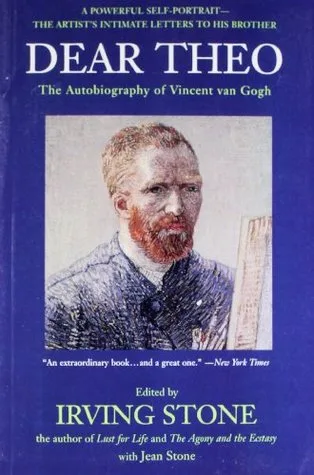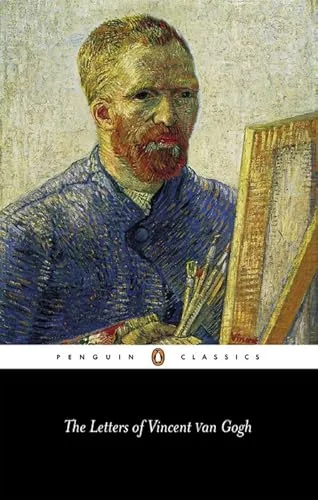
This collection compiles the private correspondence sent by Vincent van Gogh, primarily to his brother Theo, between 1872 and his death in 1890. The entries detail his technical struggles with perspective, his experiments with Japanese woodblock styles, and his evolving theories on complementary color contrast. Beyond aesthetic practice, the letters document his financial dependence, his failed attempt to establish an artists’ colony in Arles with Paul Gauguin, and the recurring periods of psychological distress that influenced his output during his time in Saint-Rémy.
Art historians and painters read this volume to understand the specific pigments and compositional logic behind works like The Starry Night. It serves as a primary source for those studying the intersection of late nineteenth-century theology and the shift toward Post-Impressionism. The reader gains a documented timeline of a working artist’s daily labor, walking away with a factual account of how material poverty and professional isolation shaped the development of a modern visual language.
Deep and inward-looking; a moderate read.
Best for readers like The Empathetic Explorer. Which reader are you?
- Published
- 1914
- Language
- EN