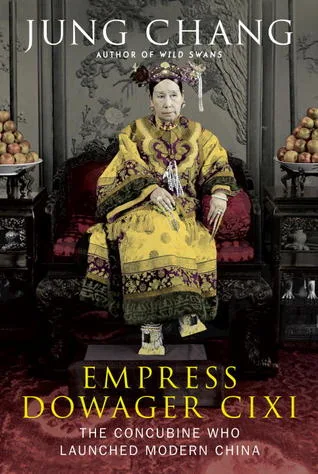
Empress Dowager Cixi: The Concubine Who Launched Modern China
Jung Chang challenges the traditional view of Empress Dowager Cixi as a cruel, conservative despot. Through archival research, Chang argues that Cixi was the primary architect of China’s modernization during the late Qing Dynasty. The narrative details how a low-ranking concubine seized power through a 1861 coup and subsequently introduced railways, electricity, and telegraphs. It documents her abolition of foot-binding and the "death by a thousand cuts," while highlighting her efforts to implement a rudimentary constitutional monarchy and modern educational systems for women.
Historians and readers of Chinese political biography will find a revisionist account of the transition from absolute monarchy to the modern era. The book provides a detailed look at the internal mechanics of the Forbidden City and the diplomatic pressures exerted by Western powers. Readers walk away with a specific understanding of how Cixi balanced Manchu tradition with industrial reform and how her leadership decisions shaped the geopolitical landscape of East Asia leading into the twentieth century.
- Published
- 2013
- Language
- EN