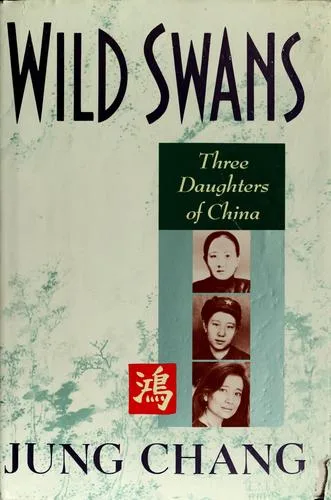
Jung Chang traces the history of twentieth-century China through the lives of three generations of women: her grandmother, her mother, and herself. The narrative begins with a concubine to a warlord general whose feet were bound as a child and moves into the mid-century as Chang’s parents become committed Communist Party officials. The book documents the shift from feudalism to the rise of Mao Zedong, detailing the administrative purges, the famine of the Great Leap Forward, and the social chaos of the Cultural Revolution. Chang focuses on the specific bureaucratic mechanisms and psychological pressures used to enforce state ideology within domestic and professional life.
This book serves readers interested in the intersection of personal memoir and political history. It provides a granular look at how sweeping national policies dismantle individual family structures and personal safety. Readers gain a technical understanding of the transition from imperial rule to a totalitarian state. By the end, the reader understands the physical and mental stamina required to survive decades of shifting political loyalty tests. It functions as a primary source for those studying the long-term human consequences of the Chinese Revolution.
- Published
- 1991
- Language
- EN