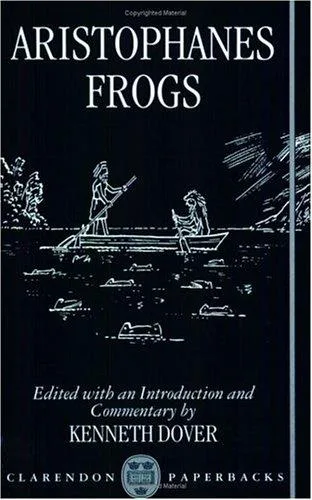
Dionysus, the god of wine and theater, travels to the underworld disguised as Heracles to retrieve the deceased Euripides. Frustrated by the decline of contemporary tragic poetry, he believes only a departed master can restore the artistic dignity of Athens. Accompanied by his slave Xanthias, Dionysus crosses the Styx amidst a chorus of croaking frogs and eventually adjudicates a formal debate between the ghosts of Aeschylus and Euripides. The two playwrights argue over the civic purpose of art, comparing their respective styles of meter, vocabulary, and moral instruction.
This play serves students of classical philology and readers interested in the origins of literary criticism. It functions as a primary source for understanding how fifth-century Athenians evaluated the social function of the stage. Readers gain an understanding of the technical differences between traditional and modernist Greek tragedy, as well as the political tensions inherent in a city facing military defeat. By the end, one understands how Aristophanes used satire to advocate for traditional poetic values as a means of cultural preservation.
Thought-provoking; a moderate read.
Best for readers like The Deep Diver. Which reader are you?
- Published
- 1785
- Language
- EN