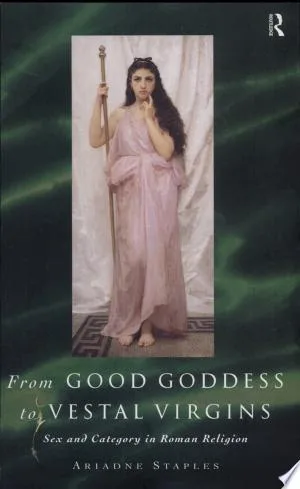
Ariadne Staples analyzes the intersection of gender identity and ritual practice in ancient Rome, focusing specifically on how religious participation defined a woman’s civic status. She argues that Roman women were categorized primarily through their sexual definitions—such as the virginal status of the Vestals or the matronly role within the cult of Bona Dea—rather than through political rights. By examining these ceremonial duties, Staples demonstrates how ritualized behavior established the boundaries of female influence and created a framework where religious purity served as a substitute for constitutional power.
This study serves historians and classicists interested in the structural organization of Roman patriarchy and the social hierarchy of the ancient world. Readers gain an understanding of how the Roman state used religious institutions to manufacture specific female archetypes that supported the broader political order. Instead of viewing Roman women through modern concepts of liberation, the audience learns to interpret female agency within the specific constraints of ritual law and domestic expectation.
Deep and outward-looking; a demanding read.
Best for readers like The Systems Thinker. Which reader are you?
- Published
- 2013
- Publisher
- Routledge
- ISBN
- 9781134787883
- Language
- EN