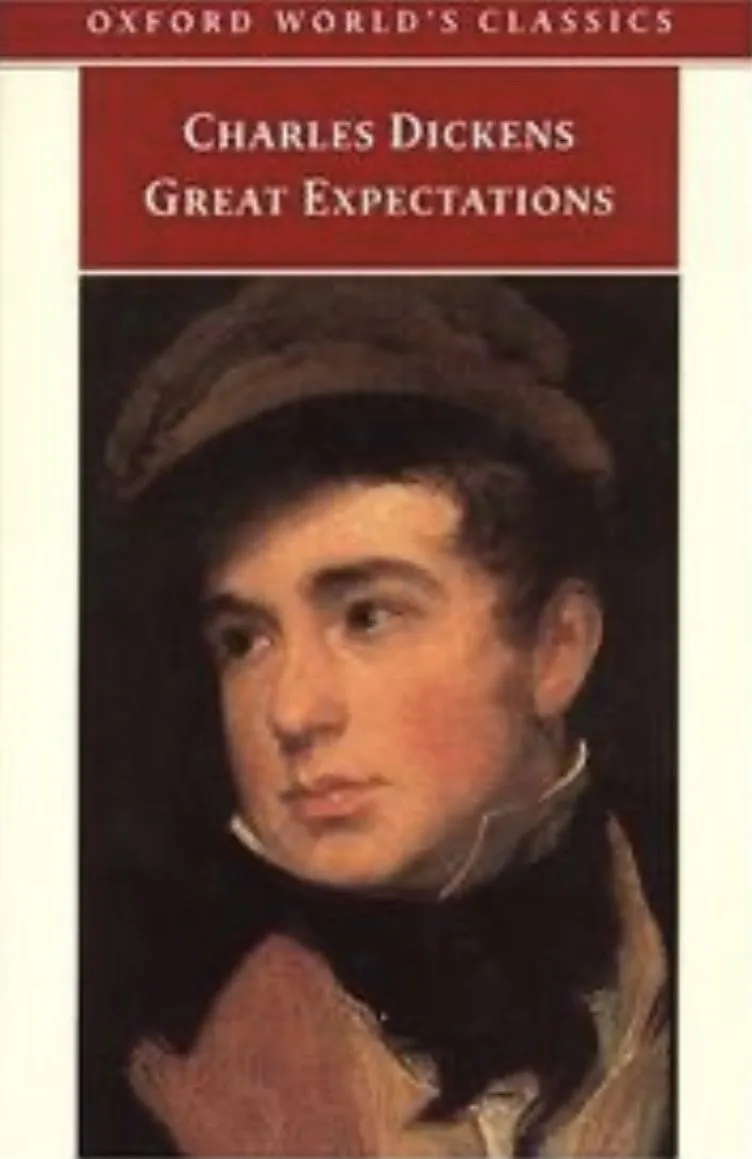
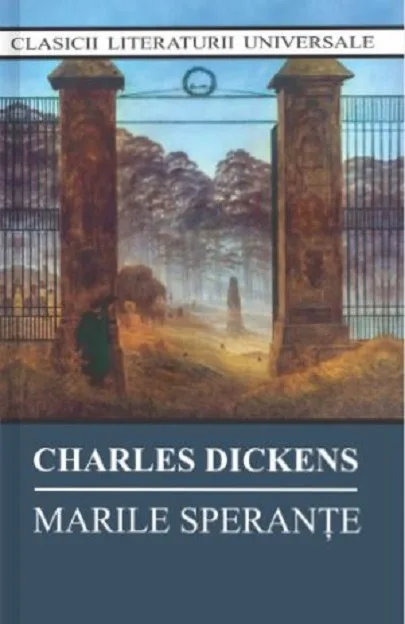
The story follows Pip, an orphan living in the bleak Kentish marshes with his sister and the blacksmith Joe Gargery. After a terrifying encounter with an escaped convict and several strange visits to the decaying mansion of Miss Havisham, Pip receives an unexpected fortune from a secret benefactor. He moves to London to shed his rural roots and transform into a gentleman, hoping to win the heart of the cold, aristocratic Estella. As he navigates high society, he abandons his loyal friends, only to discover that his wealth and social standing are built on a foundation of criminal origins and personal betrayal.
This novel serves readers interested in the rigid social hierarchies of Victorian England and the psychological toll of upward mobility. Those who study the genre find a detailed examination of how guilt and shame influence human behavior. Readers walk away with a clear understanding of the difference between inherited status and moral character. The narrative provides a blunt look at the legal system's failures and the vanity of seeking social validation at the expense of genuine human connection.
Insights from Great Expectations
“I should never have been so ungenerous as to say it, for I knew her to be as true as the sun.”
Pip thinks a fancy life will fix his shame. He learns that money just makes everything more complicated and lonely.
“I have no heart. I have no softness there, no sympathy, sentiment, nonsense.”
Estella was raised to be a weapon against men. It is heartbreaking to see her realize she cannot even feel love for her creator.
“Life is made of ever so many partings welded together.”
Joe is the only person who stays consistent through the whole mess. His simple kindness makes all of Pip's social climbing look cheap.
“I stole her heart away and put ice in its place.”
Miss Havisham lives in a room where time stopped when her heart broke. It shows how bitterness can literally rot a life away.
- Published
- 1861
- Publisher
- Oxford University Press
- ISBN
- 9780192833594
- Language
- EN
Quotes by Charles Dickens
More →It was the best of times, it was the worst of times, it was the age of wisdom, it was the age of foolishness.
A Tale of Two Cities
![उस रात के बाद [Us Raat Ke Baad]](https://kwbjoqloympvbpzbrfja.supabase.co/storage/v1/object/public/scan-images/catalog/53673b08-18d0-4f03-8e5f-04a98899e36f-full.webp)