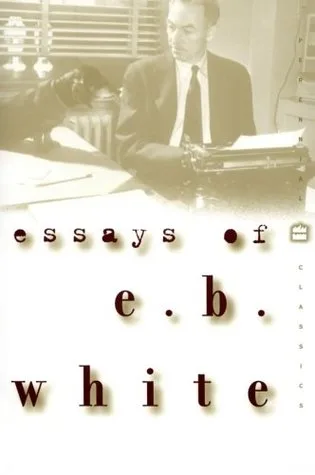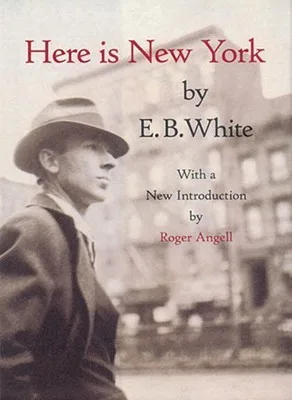
E.B. White identifies three distinct versions of New York City: the one lived in by natives who accept it as a fixed backdrop, the one used by commuters who treat it as a technical challenge, and the one created by settlers who arrived from elsewhere in pursuit of a specific passion. He argues that the city’s vitality depends on these settlers, who perceive the skyline as a poetic miracle rather than a professional convenience. Writing in the early years of the atomic age, White details the structural fragility of the island and the neighborhood intimacy that allows millions to coexist in cramped, vibrant proximity.
This essay serves those interested in urban sociology and the historical atmosphere of post-war Manhattan. Readers obtain a clear framework for understanding how a massive metropolis maintains a sense of local community through the "neighborhood unit." It provides a sober meditation on the city's vulnerability during the Cold War. The text leaves the reader with a precise vocabulary for characterizing the tension between the anonymity of the crowd and the intense privacy of the individual New Yorker.
Balanced in tone; an easy read.
Best for readers like The Escapist Adventurer. Which reader are you?
- Published
- 1948
- Language
- EN