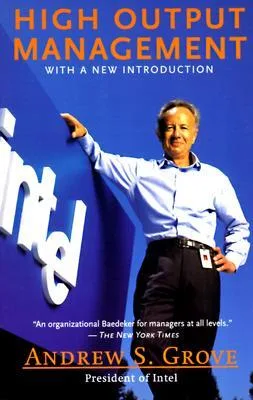
High Output Management
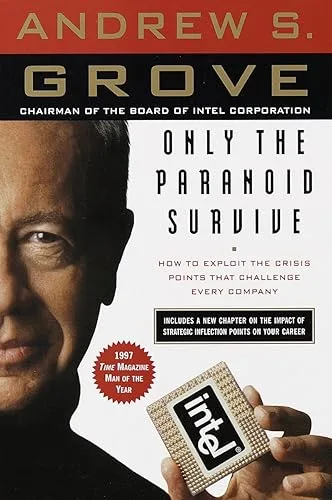
Andrew Grove defines a manager's output as the output of the organizational units under their supervision or influence. He applies principles of manufacturing, such as continuous monitoring and process optimization, to administrative work and team leadership. The text details concrete frameworks like the dual reporting structure of matrix organizations, the "black box" model of production, and the concept of high-leverage activities. Grove explains how to conduct performance reviews, handle task-relevant maturity, and utilize specific meeting formats to increase the efficiency of every hour spent at the office.
This book is written for middle managers, department heads, and entrepreneurs who need to scale their operations. Readers look for practical methods to improve objective-setting through the system of objectives and key results. They walk away with a toolkit for making decisions under uncertainty and managing the physical and mental bottlenecks of a growing company. The material provides a technical perspective on human resources, treating management as a discipline centered on increasing the productivity of others through training and motivation.
Insights from High Output Management
“A manager’s output = the output of his organization + the output of the neighboring organizations under his influence.”
Managers often get judged by their own work. Real output is actually just the sum of everyone on the team.
“A meeting is nothing less than the medium through which managerial work is performed.”
Meetings feel like a waste sometimes. They are really just the medium for a manager to move information around.
“The supervisor should be the listener.”
One on ones are for the employee. The manager should mostly just listen and take notes during that hour.
“Delegation without monitoring is abdication.”
Delegation can feel like dumping tasks on people. It only works if you still follow up on the results.
- Published
- 1983
- Language
- EN