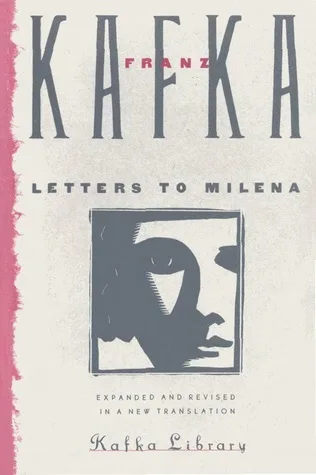
Franz Kafka’s correspondence with Milena Jesenská begins as a professional exchange regarding the translation of his prose into Czech but quickly pivots into a private record of obsessive emotional attachment. These letters, written between 1920 and 1923, document a long-distance relationship defined by physical absence and relentless self-analysis. Kafka details his chronic insomnia, his fear of social interaction, and his struggle with tuberculosis. He treats the written word as a bridge to overcome his isolation while simultaneously admitting that letters are a failed medium that feed his inherent anxiety and distrust of intimacy.
Readers interested in the psychological landscape of modernism study these letters to observe the intersection of romantic fixation and terminal illness. The text appeals to those seeking an unvarnished view of Kafka’s social paralysis and his inability to reconcile his desire for Jewish belonging with his secular life in Prague. A reader walks away with a clear understanding of Kafka's internal conflict between the need for human connection and the safety of solitude. The collection functions as an inventory of the intellectual and nervous exhaustion that shaped his late literary output.
Deep and inward-looking; a moderate read.
Best for readers like The Empathetic Explorer. Which reader are you?
- Published
- 1952
- Language
- EN