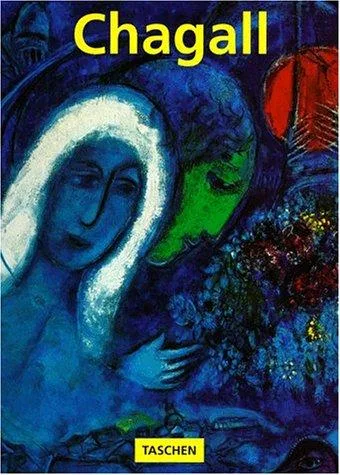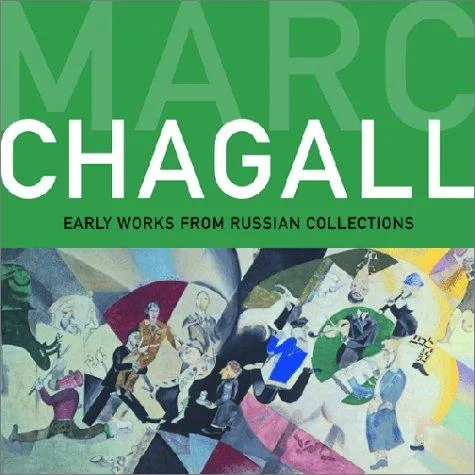
This monograph documents the visual evolution of Marc Chagall’s portfolio, focusing on the intersection of Jewish folklore, Russian village life, and French modernist technique. The text examines specific iconographic elements, such as the rooftop fiddler and levitating figures, as manifestations of the artist’s memory of Vitebsk rather than mere surrealist abstraction. Petrova and Shatskikh categorize the works by chronological periods, detailing his shifts from early charcoal sketches to the vibrant, layered oil applications used in his circus and lovers series. The analysis tracks his use of primary colors to define emotional states and the structural influence of Cubism on his later compositions.
Art historians and researchers of 20th-century avant-garde movements use this volume to trace the technical development of Chagall’s aesthetic. Readers gain a clear understanding of the specific cultural symbols that informed his narrative style and the biographical events that dictated his stylistic transitions. It provides a technical breakdown of his color theory and spatial arrangements, allowing the reader to distinguish between his spontaneous emotional expression and his deliberate compositional logic. One walks away with a concrete overview of how Chagall translated personal displacement into a distinct visual language.
- Published
- 1948
- Language
- EN