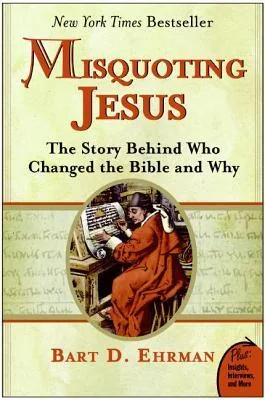
Bart Ehrman details the history of New Testament transmission, focusing on how human scribes altered the original Greek manuscripts over centuries of manual copying. He explains that because no original autographs exist, the biblical text is a reconstruction based on thousands of divergent copies. Ehrman identifies specific mechanical errors, such as skipped lines and misspellings, alongside intentional theological alterations where scribes changed verses to combat heresies or support evolving doctrines. He describes the methodology of textual criticism used by scholars to identify these variants and determine which readings are likely original.
This book is intended for readers interested in the historical development of scripture and the technical realities of manuscript preservation. It appeals to those who want to understand how the Bible reached its modern form and the ways personal biases of ancient copyists shaped current translations. Readers walk away with a functional understanding of textual variants and a skeptical framework for evaluating the stability of the New Testament text. They gain clarity on which specific passages, such as the story of the woman caught in adultery, were later additions to the canon.
Balanced in tone; a moderate read.
Best for readers like The Evidence Seeker. Which reader are you?
- Published
- 2005
- Language
- EN
More by Bart D. Ehrman
See all →