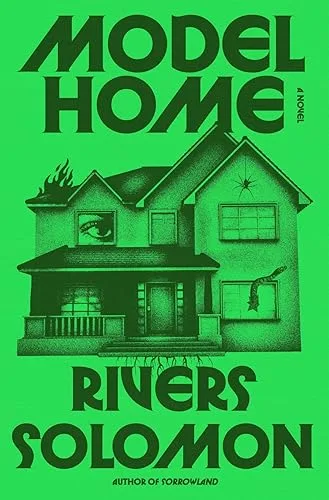
The Maxwell siblings return to their childhood home in a Dallas gated community after their parents are found dead in a suspected double suicide. Ezri, Eve, and Emanuelle grew up as the only Black family in a hostile, segregated luxury enclave where they endured both psychological isolation and inexplicable physical phenomena. As they confront the estate’s disposal, they realize the house itself logicizes racial trauma into a tangible, hungry haunting. The narrative tracks their attempts to reconcile suppressed memories of systemic abuse with a malevolent architectural force that refuses to let them leave.
Readers drawn to Gothic horror and social commentary choose this book for its unflinching depiction of suburban alienation. The text serves those interested in how family dynamics fragment under the pressure of white supremacy and inherited grief. Rather than providing easy closure, the story leaves the reader with a visceral understanding of how physical spaces preserve history and how systemic violence manifests as a literal monster. It provides a technical look at the psychological mechanics of survival within a landscape designed to exclude.
Open-ended; a moderate read.
Best for readers like The Story Seeker. Which reader are you?
Insights from Model Home
“The neighborhood was a fortress against nothing and everything at once.”
Ezra going back to that gated community felt like walking into a trap. Luxury housing can mask some truly ugly secrets about who belongs.
“We were haunted by the things we didn't say.”
Family silence is its own kind of ghost. The Maxwell siblings carry so much weight because they never talked about what happened in that house.
Being the only Black family in a white neighborhood isn't just lonely. It feels like being under a microscope until you finally crack.
“My brain does not move in the lines they expect.”
Ezra's neurodivergence isn't a plot point. It just shapes how he processes the horror of his parents' deaths.
- Published
- 2024
- Publisher
- MCD
- ISBN
- 9780374607135
- Language
- EN