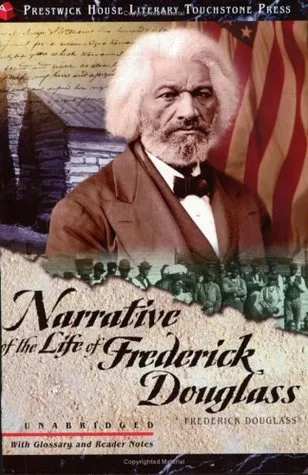
Narrative of the life of Frederick Douglass
Frederick Douglass recounts his transition from an enslaved child in Maryland to an abolitionist leader in the North. He documents the mechanics of the plantation system, detailing the use of physical violence, intentional illiteracy, and the distortion of religious doctrine to maintain white supremacy. Central to the text is Douglass’s clandestine acquisition of literacy, which he identifies as the primary tool for his mental liberation. He describes his physical confrontation with the slave-breaker Edward Covey and his eventual escape to New Bedford, Massachusetts, using forged papers.
This memoir serves students and researchers of American history seeking a primary account of the antebellum South and the logistics of the Underground Railroad. Readers find a technical breakdown of how institutionalized forced labor functioned through the psychological manipulation of both the enslaved and the enslaver. The text provides a framework for understanding the link between education and political agency. Those who study this narrative gain a specific vocabulary for discussing the legal and social structures that defined nineteenth-century American slavery.
Deep, contemplative and clear-cut; a moderate read.
Best for readers like The Escapist Adventurer. Which reader are you?
- Published
- 1845
- Language
- EN