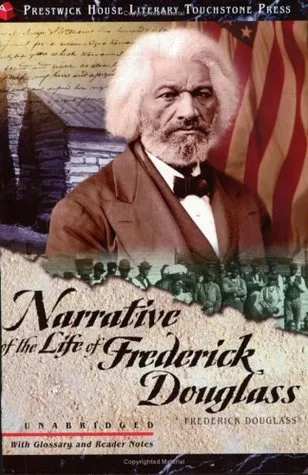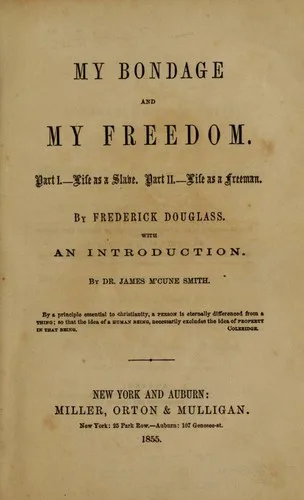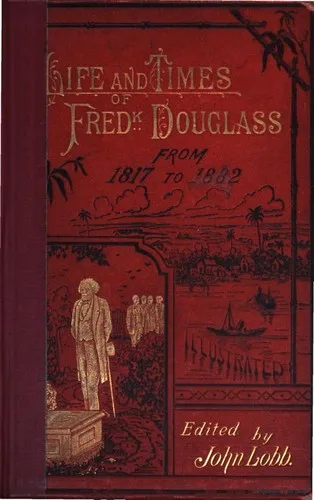
Frederick Douglass details his transition from an enslaved worker on Maryland plantations to an international statesman and advisor to American presidents. This final revision of his autobiography documents his escape to Massachusetts, his early speeches for the American Anti-Slavery Society, and his later roles as a federal marshal and minister to Haiti. He describes the legal mechanisms used to maintain chattel slavery and the specific political battles surrounding the Civil War, the Emancipation Proclamation, and the struggle for Black suffrage during Reconstruction. George L. Ruffin provides a contemporary introduction that places Douglass within the 19th-century intellectual landscape, while modern scholarship by Bernier and Taylor annotates the historical context of his political alliances.
Historians and students of American political history read this text to analyze the specific strategies used by the abolitionist movement. The reader gains a factual account of how 19th-century race relations shifted from the antebellum period through the end of the nineteenth century. It provides a primary source record of how executive policy during the Lincoln and Grant administrations affected African American civil rights. Readers walk away with a technical understanding of the legislative and social obstacles that persisted after the legal end of slavery.
Balanced in tone; a moderate read.
Best for readers like The Escapist Adventurer. Which reader are you?
- Published
- 1881
- Language
- EN